
Please note, this post may contain affiliate links. Visit Devine Fairytale’s Disclosure Policy for more details.
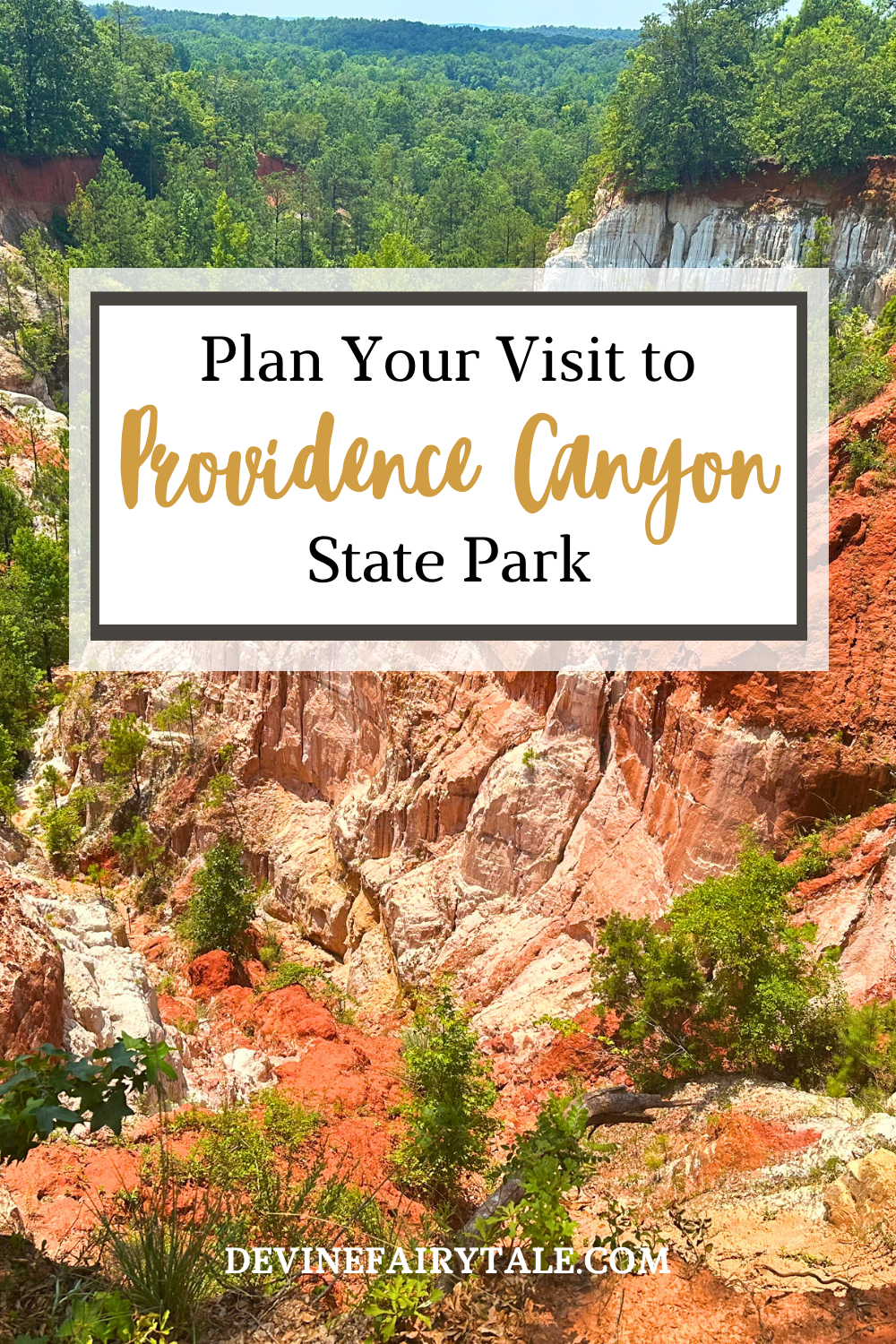
There’s a spot in southwest Georgia that looks like someone lifted it straight out of Arizona and set it down in the middle of farm country. Providence Canyon State Park, better known as Georgia’s Little Grand Canyon, is one of those places that makes you do a double take when you first see it. Towering walls of pink, orange, and red clay open up out of nowhere, and the whole thing feels far more dramatic than you’d expect from the Peach State.
What makes it even better is how doable it is. You don’t need to be a serious hiker or plan a whole vacation around it. Providence Canyon State Park works beautifully as a day trip, and with a little planning, you can see the best of it and still be home for dinner. Here’s everything you need to know before you go, from how to get there to which canyons are actually worth your time.
The Surprising History of Providence Canyon State Park
One of the most fascinating things about Providence Canyon State Park is how it came to be. The Grand Canyon out west took millions of years and the force of the Colorado River. Providence Canyon has a much shorter and much more human story.
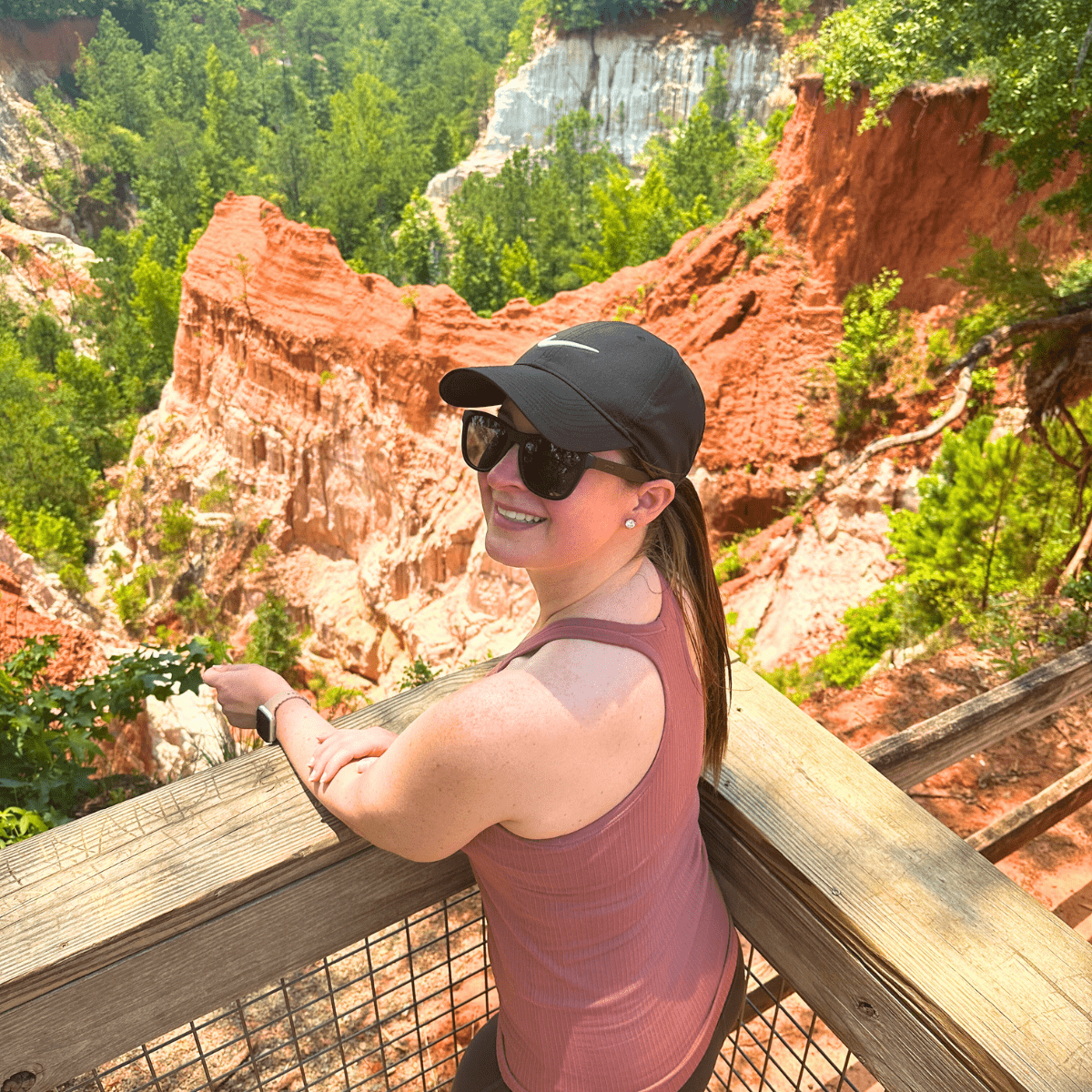
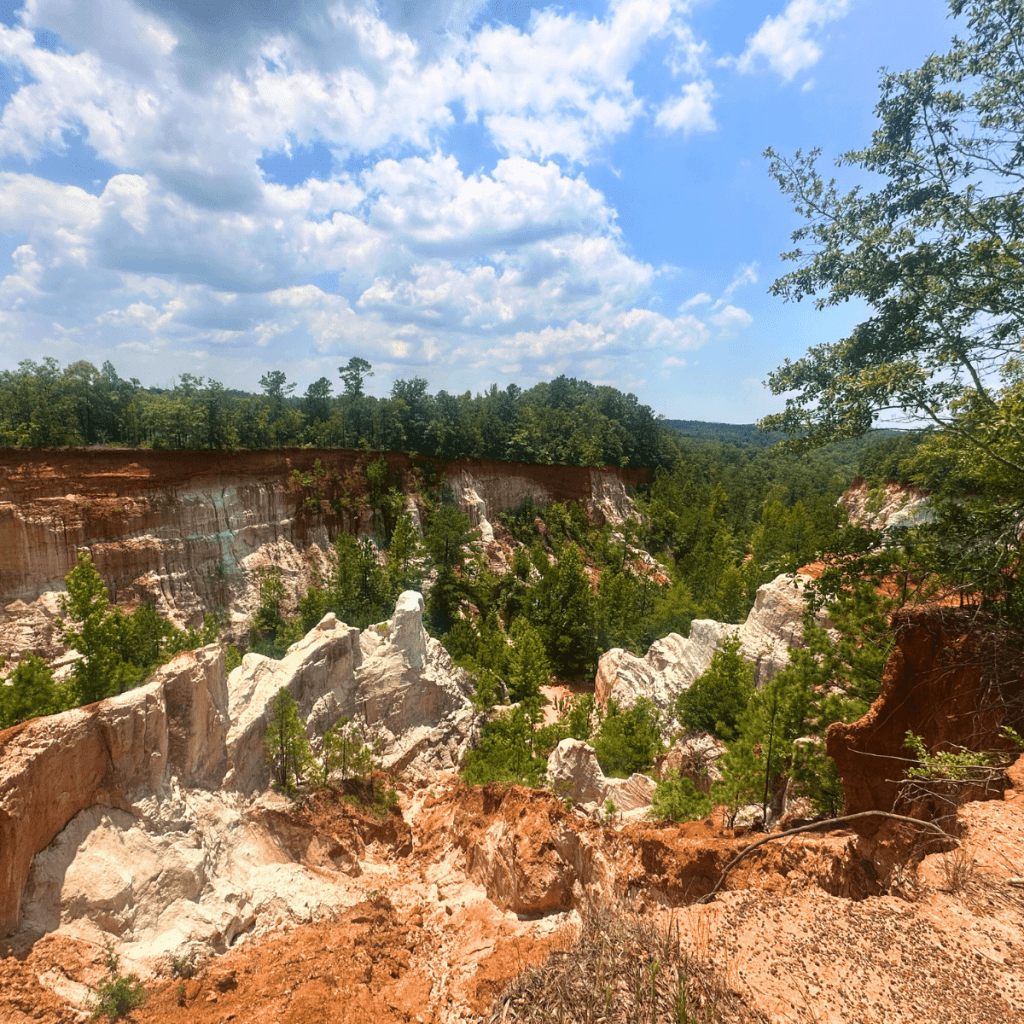
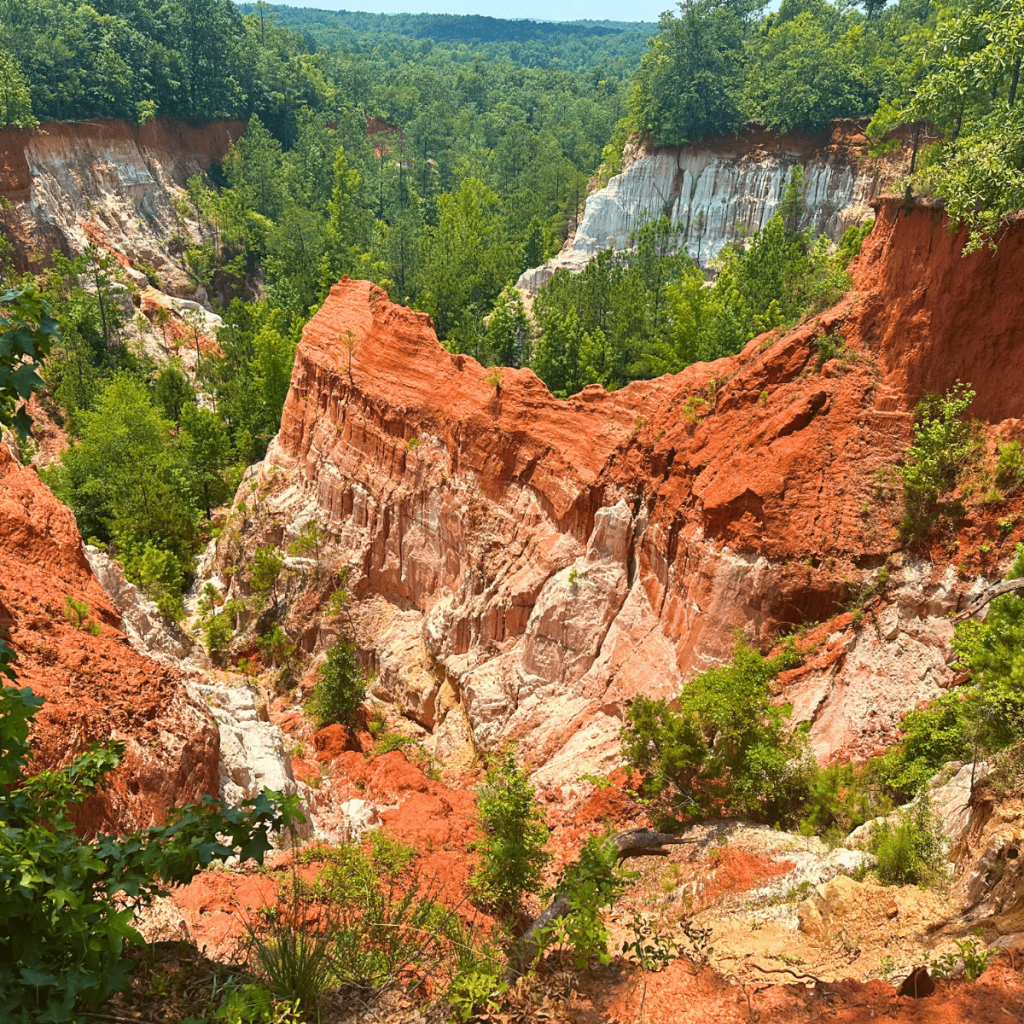
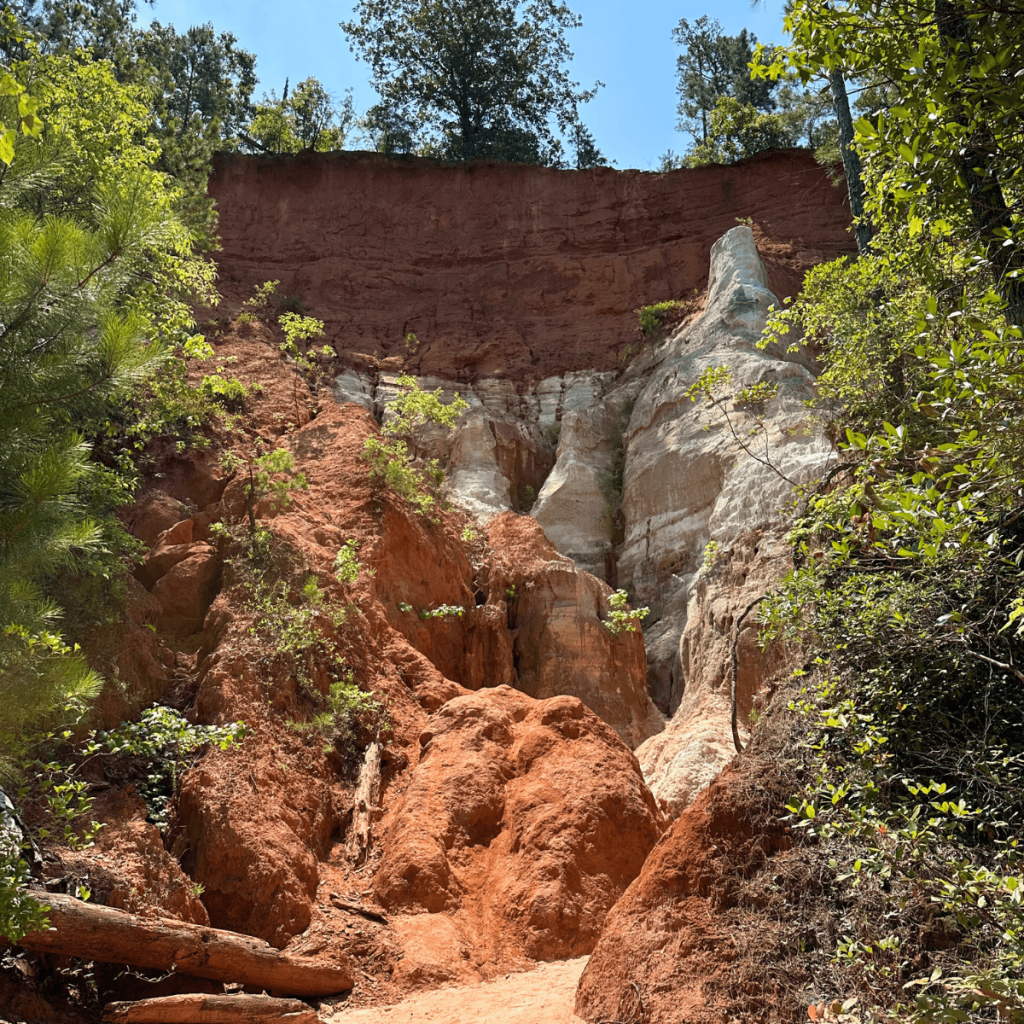
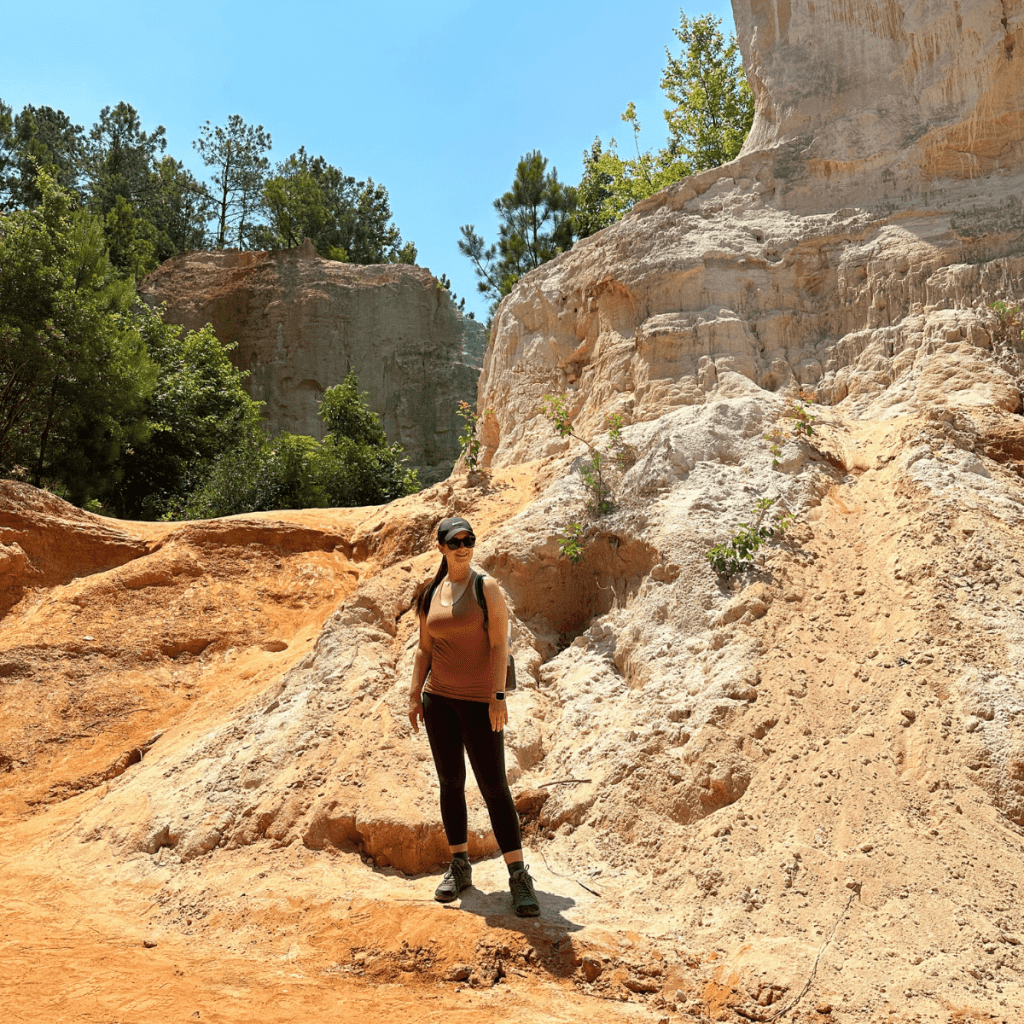
Back in the 1800s, poor farming practices stripped the land and led to severe erosion. Over the decades, water carved deeper and deeper into the soft soil, and the flat farmland slowly turned into the dramatic canyon system you see today. It’s a humbling reminder of how much impact we can have on the land, but the result is genuinely stunning. The layered soil shows off vivid bands of red, orange, pink, and even purple, and against all the surrounding greenery, it makes for some of the prettiest views in the state.
What to Know About Providence Canyon State Park
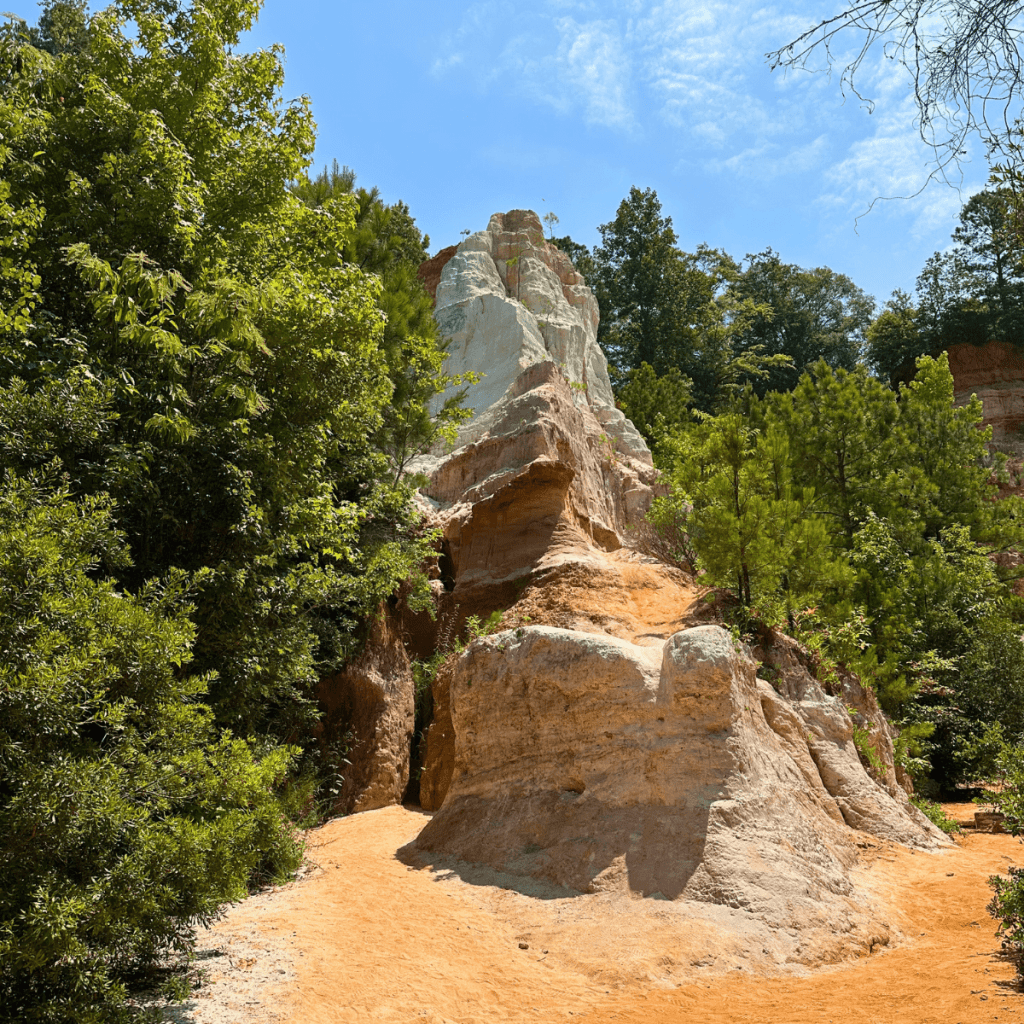
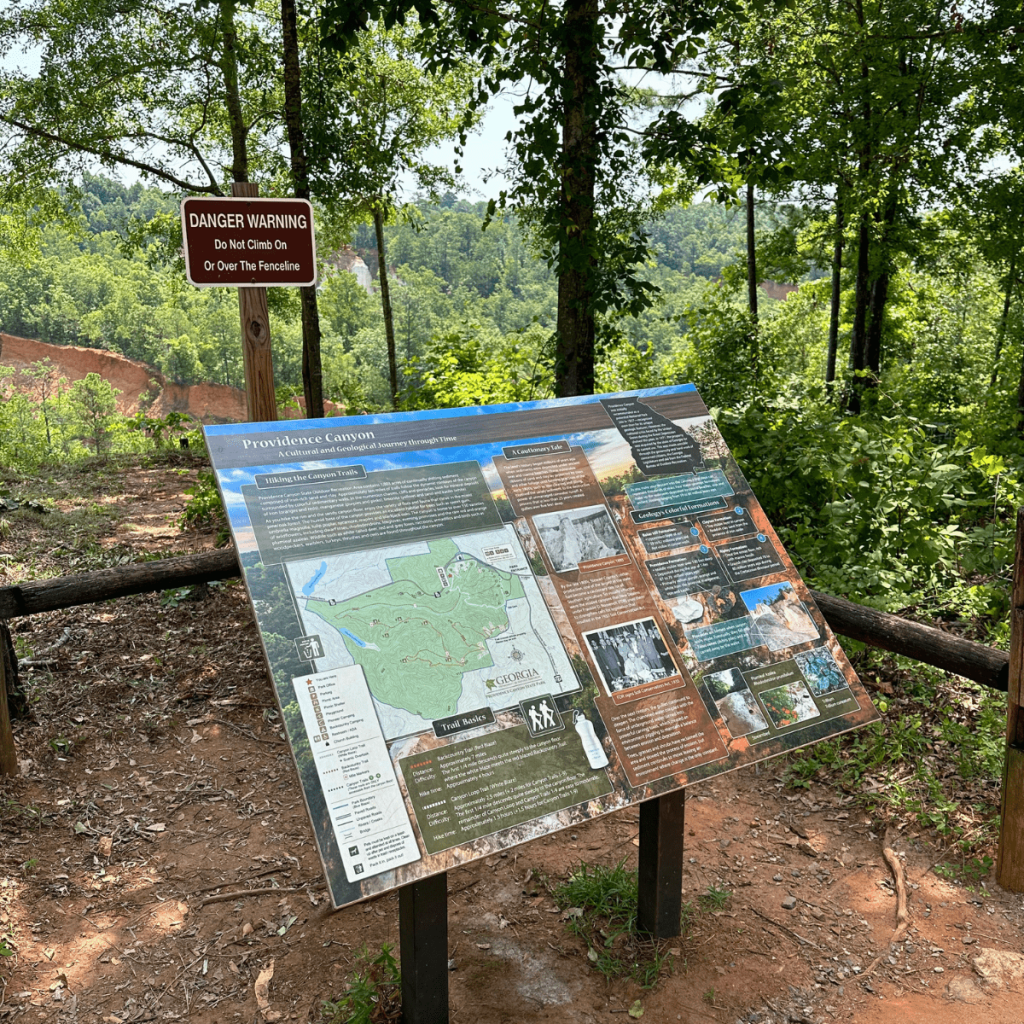
Providence Canyon State Park covers just over 1,000 acres and is home to 16 canyons, some of them reaching 150 feet deep. Nine of those canyons are accessible from the main loop trail, and the erosion patterns paired with those colorful soil layers make it one of the most unusual geological sites in the Southeast.
It’s also officially recognized as one of the Seven Natural Wonders of Georgia, which tells you something about how special it is. For all its beauty, though, it stays fairly quiet compared to the state’s bigger attractions, so you often get those canyon views with far fewer people around than you’d expect.
How to Get to Providence Canyon State Park
Providence Canyon State Park sits in Lumpkin, Georgia, a small town in the southwestern corner of the state. It’s easy to reach by car and makes a great day trip or weekend getaway from several nearby cities.
The address is 8930 Canyon Road, Lumpkin, GA 31815, in Stewart County. Plug that into your GPS and you’ll have no trouble finding it, though I’d recommend downloading directions ahead of time since cell service can get spotty out there.
From Tallahassee, FL
If you’re coming from Tallahassee, the park is about a two and a half hour drive north. Head up US-27 North and stay on it for roughly 90 miles as you pass through small towns and pretty rural stretches. Once you reach Lumpkin, you’ll start seeing signs for the park, and you’ll turn onto GA-39C for the final stretch to the entrance.
From Atlanta, GA
Driving from Atlanta takes around two hours. Take I-85 South, merge onto I-185 South toward Columbus, then follow US-27 South toward Lumpkin, where signs will point you the rest of the way to the park.
From Columbus, GA
The closest major city is Columbus, only about 45 minutes away. From there you’ll head south on US-27 for roughly 35 miles into Lumpkin and follow the signs to the entrance. If you want to make a full day of it, Columbus is a fun place to grab lunch on the way in or out.
Parking, Hours, and Entrance Fees
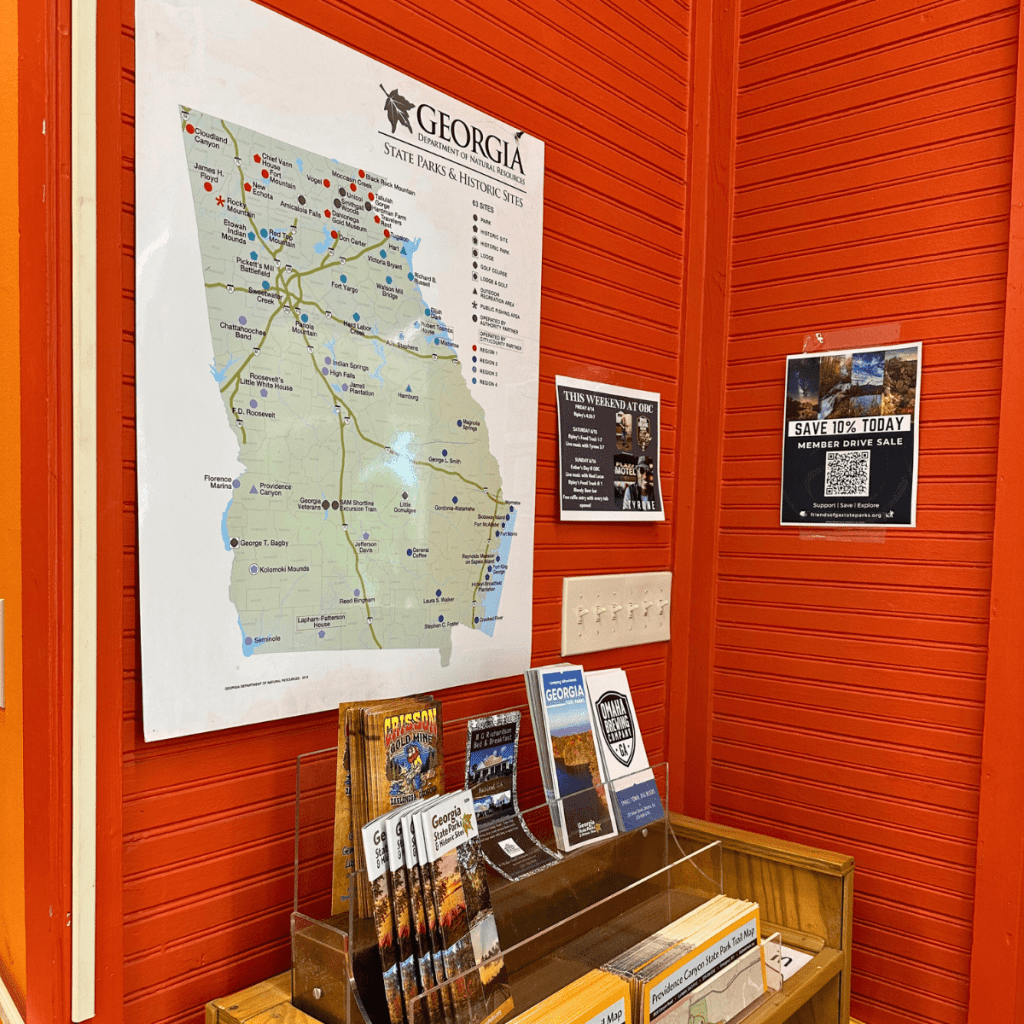
When you arrive at Providence Canyon State Park, you’ll find plenty of parking near the visitor center. There’s a $5 per vehicle parking fee, paid on the honor system, so bring a card or a little cash. If you visit Georgia state parks often, an annual pass is worth considering since it pays for itself quickly.
Park hours shift with the season, opening early and closing at sunset in the cooler months, with later evening hours once summer rolls around.
The visitor center generally runs from morning to late afternoon and is the perfect place to start, with trail maps, restrooms, exhibits on the park’s history, and a small gift shop.
Since the schedule changes throughout the year, it’s worth a quick look at the official Georgia State Parks site before you head out so you’re not caught off guard.
Hiking Providence Canyon State Park
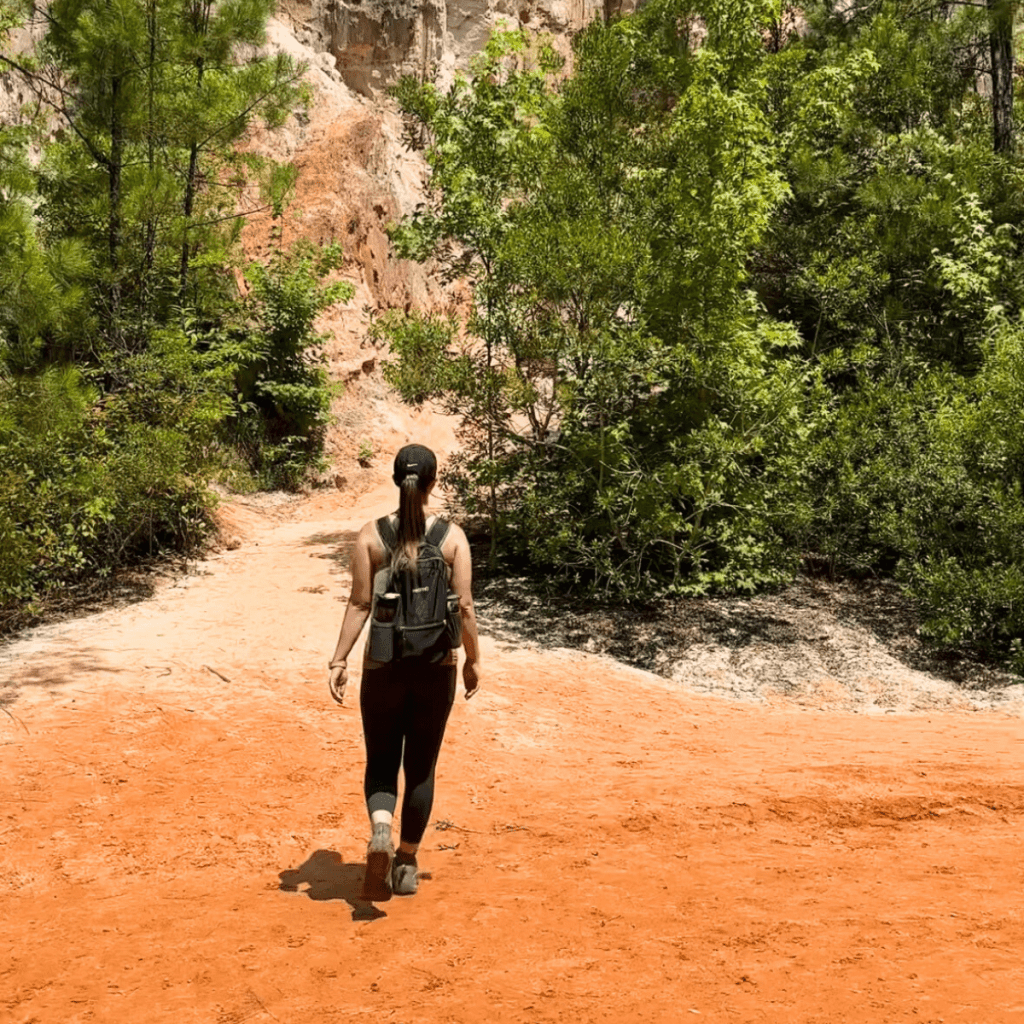
One of the first things you’ll notice at Providence Canyon State Park is how approachable the hiking is. The trails range from easy, family-friendly walks to longer, more rugged routes, so it works whether you’re an experienced hiker or just want a pretty walk with a big payoff.
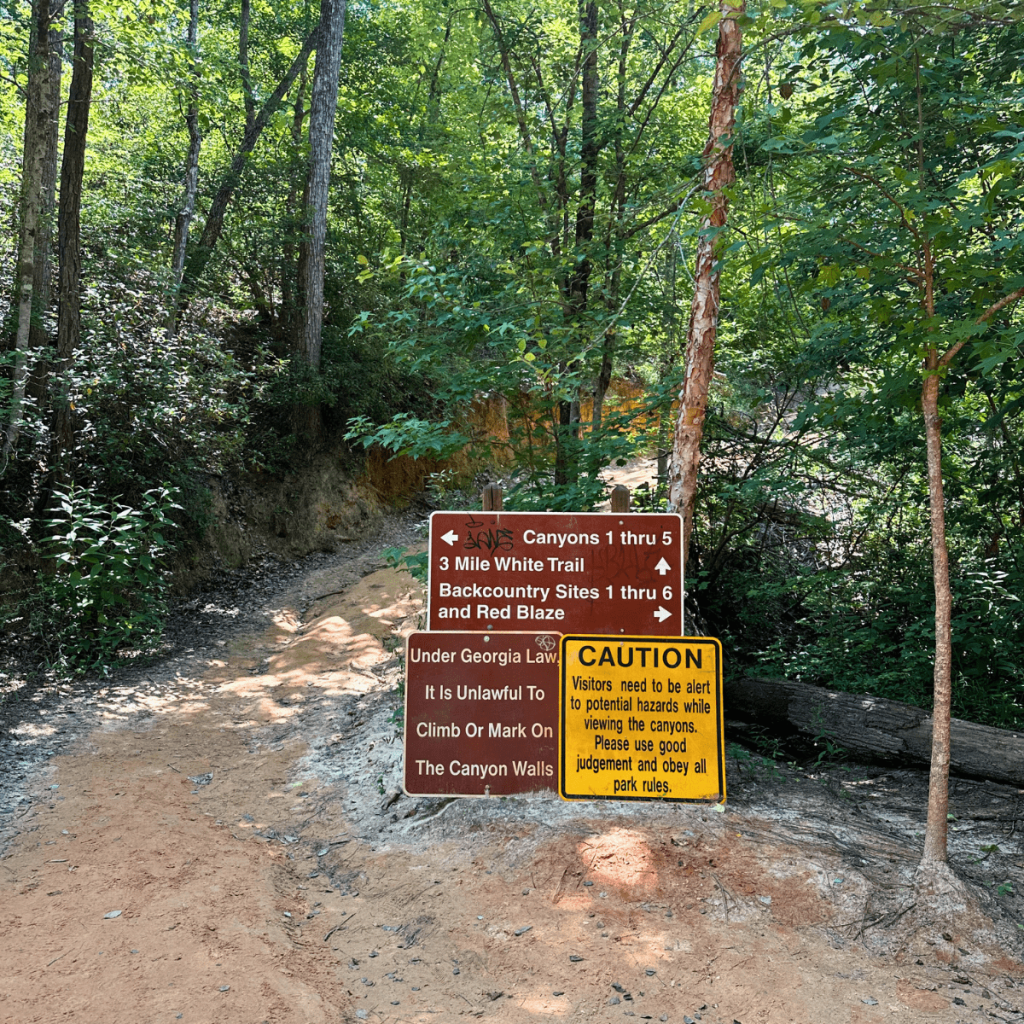
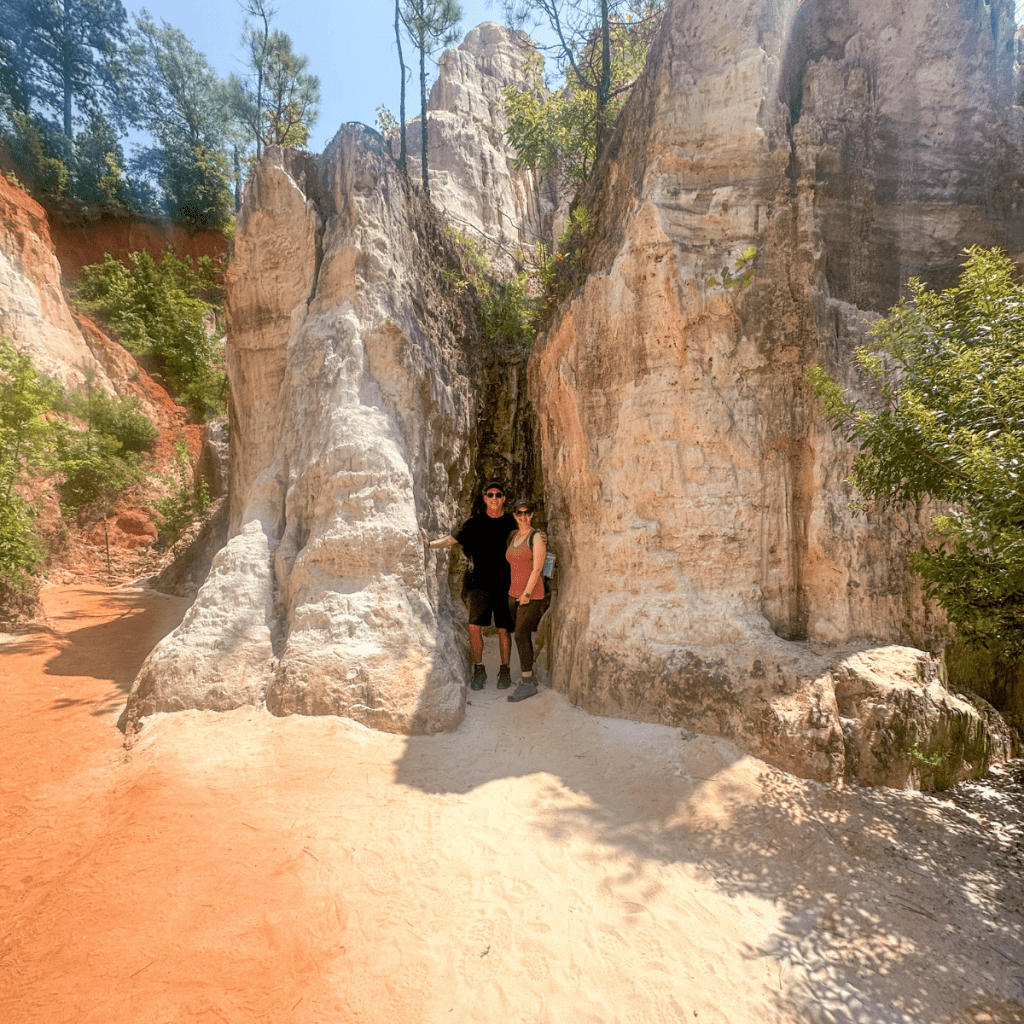
The most popular route is the Canyon Loop Trail, which runs roughly two and a half to three miles and circles nine of the canyons. You’ll start with a short but steep descent to the canyon floor, where you can walk along the sandy creek beds with those towering walls rising up on both sides. This is where the scale really hits you, because the canyons look so much taller from the bottom than they do from the rim. Along the way you’ll spot unique rock formations, trickling water, and even a few rusted-out old cars left behind by earlier generations.
Here’s a tip most first-timers don’t know. The canyons are numbered, and canyons 4 and 5 are the showstoppers. If you’re short on time or hiking with little ones, make those two your priority and you’ll still walk away with the best views in the park. It also helps to hike the loop starting to the right from the visitor center, which gives you the steeper descent first and a gentler climb back up on the return.
If you want more of a challenge, the Backcountry Trail is a seven-mile loop that takes you into the park’s remote pine forests and rolling hills. It’s rugged with some steep climbs, but you’ll likely have the whole thing to yourself. Permits are required and available at the visitor center, so plan ahead if that’s your goal.
Why the Canyon Floor Gets So Muddy
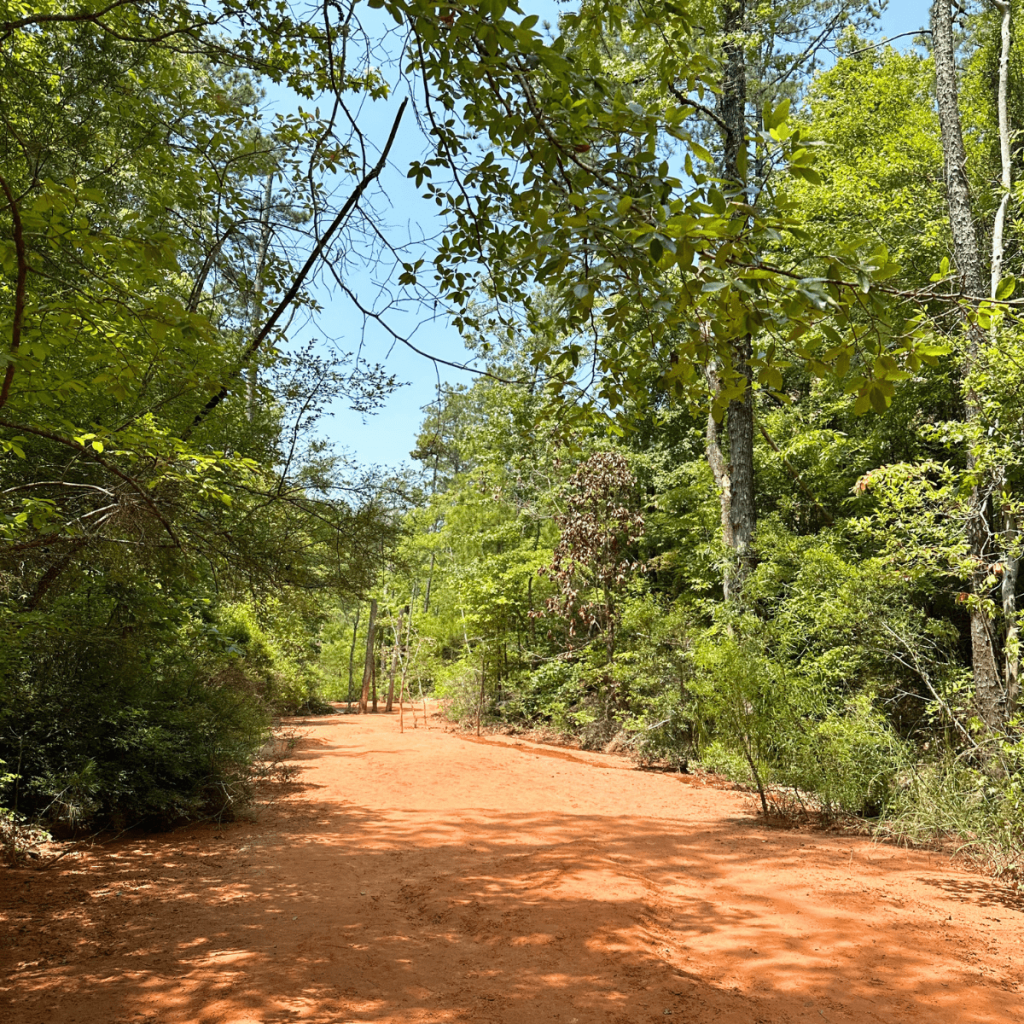
The canyon floor almost always has water running through it, even when it hasn’t rained in days, because you’re walking right at the level of the water table. That means mud, and not the ordinary kind. The soil along the edges of the creek beds can get soft and slippery in a way that feels almost like quicksand, and it will happily swallow a shoe if you’re not careful.
The trick is to walk down the middle of the creek beds rather than hugging the sides. Wear shoes you don’t mind getting messy, and honestly, expect the red clay to end up all over them. It’s part of the experience, and it comes off eventually.
Picnicking and Camping at Providence Canyon State Park
After a morning of exploring, there’s nothing better than settling in for a picnic. The picnic areas at Providence Canyon State Park are well kept and look out over the canyons, so whether you packed a full spread or just grabbed some snacks, it’s a lovely way to slow down and soak in the views.
If you want to stay longer, the park offers primitive camping for the more adventurous. Six backcountry campsites are scattered along the Backcountry Trail, giving you a secluded, roughing-it experience where you carry in everything you need. There are also a few larger pioneer sites closer to the parking area that work well for scout troops or bigger groups. Just remember the leave-no-trace rule and pack out everything you bring in.
When to Visit Providence Canyon State Park
Providence Canyon State Park is beautiful year round, but the best time to go really depends on what you’re after.
Spring brings mild temperatures and wildflowers in bloom, which makes it a favorite for both hiking and photography. Summer runs hot and humid, but it comes with a special payoff. The rare Plumleaf Azalea blooms here in July and August, long after most azaleas have faded, and Providence Canyon is one of the only places on earth you can see it. Just come prepared with water and sun protection.
Fall might be the sweet spot. The oaks and maples around the rim turn gorgeous colors, the temperatures cool off, and the crowds thin out compared to summer. Winter is the quietest season of all, and there’s something striking about the stark, empty beauty of the canyon when you have it mostly to yourself.
Whenever you go, check the weather and trail conditions first. The canyon floor gets muddy fast after rain, and there’s very little shade once you’re down among the walls, so plan your timing and your gear accordingly.
Providence Canyon pairs well with a longer Georgia weekend. Callaway Gardens is about an hour away and a completely different kind of beautiful.
What to Pack for a Day at Providence Canyon State Park
A day at Providence Canyon State Park can be an unforgettable adventure, but it’s important to come prepared. Here’s a quick list of essentials to ensure you have a safe and enjoyable visit:
- An extra pair of shoes for the car. This one’s non-negotiable. That red clay gets everywhere, and you’ll be glad to have clean shoes to change into before you drive home.
- Reusable water bottle or hydration pack. There are no water sources on the trails, so fill up before you head out and bring more than you think you’ll need, especially in warmer months.
- Snacks. Whether you’re doing the Canyon Loop or the Backcountry Trail, granola bars, fruit, and trail mix keep your energy up.
- Sturdy shoes. The trails get muddy and uneven, so wear shoes with good traction that you don’t mind getting dirty. Hiking boots are ideal, but athletic shoes work in a pinch.
- Sunscreen and a hat. There’s not much shade in the canyons, so pack good SPF, a wide-brimmed hat, and sunglasses.
- Insect repellent. In the warmer months, the bugs mean business. Repellent is your friend.
- Trash bags. The park operates on a “leave no trace” principle, so be sure to bring bags to carry out any trash if you’ll be on the trails for a while or camping overnight.
Smart Tips for Visiting Providence Canyon
A few things will make your visit smoother and more enjoyable:
Check the weather before you go, because the trails get very muddy after rain. If it’s been a wet week, throw in an extra pair of socks or wear waterproof footwear.
Try to arrive early, especially on weekends, since it beats both the crowds and the midday heat. If you’re short on time, the Canyon Loop Trail hits the highlights, but if you can, give yourself the whole day to explore at a slower pace.
Always stay on the marked trails and behind the fences. The canyon walls are fragile and erosion is still happening, so keeping to the paths helps protect the park for everyone who comes after you.
If you love a good challenge, look into the Canyon Climbers Club. Hiking to canyons 4 and 5 counts toward it, and if you also tackle Cloudland Canyon and Tallulah Gorge, you earn a certificate and some serious Georgia hiking bragging rights.
One more thing worth knowing. Dogs are welcome on the trails as long as they’re leashed, so your pup can come along for the adventure too.
A Georgia Adventure Worth Taking
Providence Canyon State Park may not have the fame of some of Georgia’s bigger destinations, and that’s exactly what makes it so great. You get dramatic, colorful landscapes, quiet trails, and room to wander without fighting crowds. It’s the kind of place that rewards a little planning, and once you’ve stood at the bottom of those towering clay walls, you’ll understand why people drive hours just to see it.
Whether you’re building a full Georgia weekend or just looking for a memorable day out, Providence Canyon earns its spot on the list. Pack your water, bring your sense of adventure, and don’t forget those extra shoes.

