
Best Cruise Motion Sickness Tips for First-Time Cruisers

Please note, this post may contain affiliate links. Visit Devine Fairytale’s Disclosure Policy for more details.
If cruise motion sickness is making you hesitate to book your first sailing, you are not alone. No one wants to spend part of a vacation feeling nauseated in the cabin. Although no one can guarantee perfectly smooth seas, choosing the right cabin, preparing before embarkation, and knowing what to do if symptoms begin can make a big difference.
I have helped first-time cruisers plan around this concern, especially travelers who already experience motion sickness in cars, planes, or smaller boats. Learning how to prevent seasickness on a cruise starts before you board. Your cabin location, medication plan, eating habits, and response to early symptoms can all help.
These cruise motion sickness tips will help you prepare without letting the possibility of seasickness take over your vacation plans.

Why Cruise Motion Sickness Happens
Motion sickness happens when your brain receives conflicting information about movement. Your inner ear can feel the ship moving, but your eyes may be focused on something that appears still, such as your phone, a book, or the wall of an interior cabin. That mismatch can cause nausea, dizziness, sweating, fatigue, or vomiting.
This is why looking at the horizon and avoiding close-up visual tasks can help. Your eyes can see the movement your body is already feeling, which reduces the conflict between those signals.
People respond to a ship’s movement differently. A traveler who feels fine during calm conditions may notice symptoms when the weather changes, while someone who regularly gets motion sick may be comfortable with the right preparation. It helps to have a plan even if you are not sure how your body will respond.

Common Signs of Seasickness on a Cruise
Nausea is the symptom most people associate with seasickness, but it is not always the first one to appear. You may begin to feel unusually tired, warm, dizzy, or generally uncomfortable. Other early signs can include a headache, loss of appetite, increased saliva, pale skin, or a cold sweat.
Pay attention when you start feeling different, even if you are not nauseated yet. Taking a break from your phone, moving to an area with a horizon view, and following your prevention plan at the first sign of discomfort may keep the symptoms from becoming more intense.
Vomiting can happen, but it is not the only indication that you are experiencing cruise motion sickness. Some people simply feel tired or slightly unsteady for a few hours. Others notice symptoms only during a rough stretch of water and feel better once conditions calm down.
Traveling soon? Don’t miss a beat with the Ultimate Pre-Travel Checklist! It’s packed with all the important things to do before your trip—like confirming reservations, prepping your home, and more. Download it for free and make sure you’re fully ready for takeoff!
Who is More Likely to Experience Motion Sickness?
Anyone can develop motion sickness under the right conditions, but some travelers are more sensitive to it than others. If you regularly feel sick in the car, on amusement park rides, during flights, or on smaller boats, it is worth planning for the possibility before your cruise.
Pregnancy, migraines, vertigo, and certain vestibular conditions can increase sensitivity. This does not mean someone in one of these groups will definitely get seasick. It simply means having a prevention plan may be more important.
Your experience on a fishing boat or ferry does not necessarily predict how you will feel on a large cruise ship. Cruise ships are much larger and are designed to reduce movement, but weather and sea conditions can still affect the ride. I would rather have a client bring a doctor-approved remedy and never need it than spend the first day trying to find an option that works.
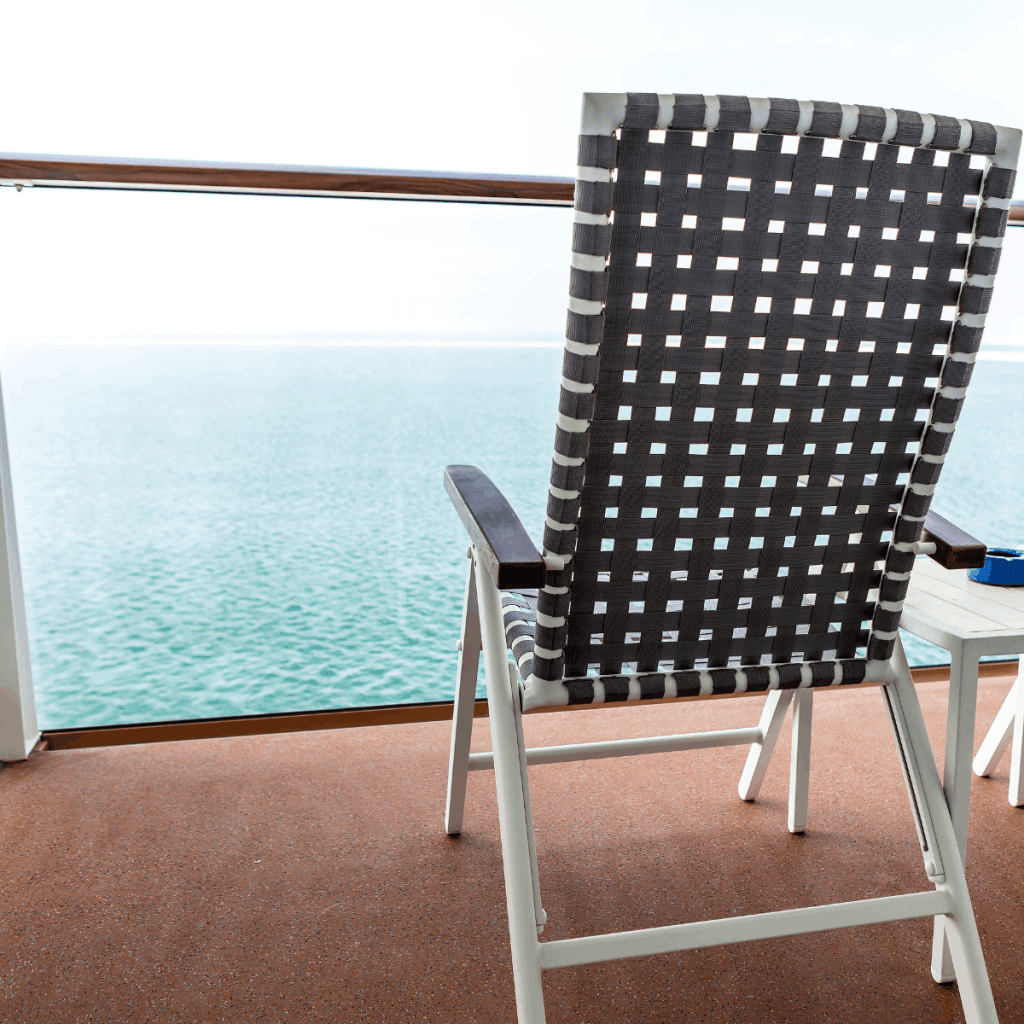
The Best Cabin to Avoid Seasickness
The best cabin to avoid seasickness is generally near the middle of the ship on a lower deck. This area experiences less movement than cabins near the front or back of the ship and rooms high above the waterline.
Think of the ship like a seesaw. The ends have a wider range of movement while the center moves less. A lower deck also keeps you closer to the ship’s center of motion.
Cabin type matters too, but location should come first. An ocean-view or balcony cabin gives you easier access to natural light and a view of the horizon, which may help if symptoms begin. However, a low, midship interior cabin may feel steadier than a balcony cabin located high and far forward.
Do not choose a cabin based only on the deck number listed in a general article. Ships are designed differently, and the lowest deck with guest cabins varies. Look at the actual deck plan to see where the room sits from front to back and what is located above, below, and around it.
If the perfect low, midship cabin is unavailable, prioritize the middle of the ship before moving farther forward or aft. You may also want to choose a room with an easy route to an open deck. Being able to reach fresh air and a horizon view without crossing the entire ship can be helpful if you begin to feel uncomfortable.
Noise also matters when choosing your room. Getting enough sleep can help reduce your susceptibility to motion sickness, so avoid a cabin directly below the pool deck, buffet, or late-night entertainment venue when possible.
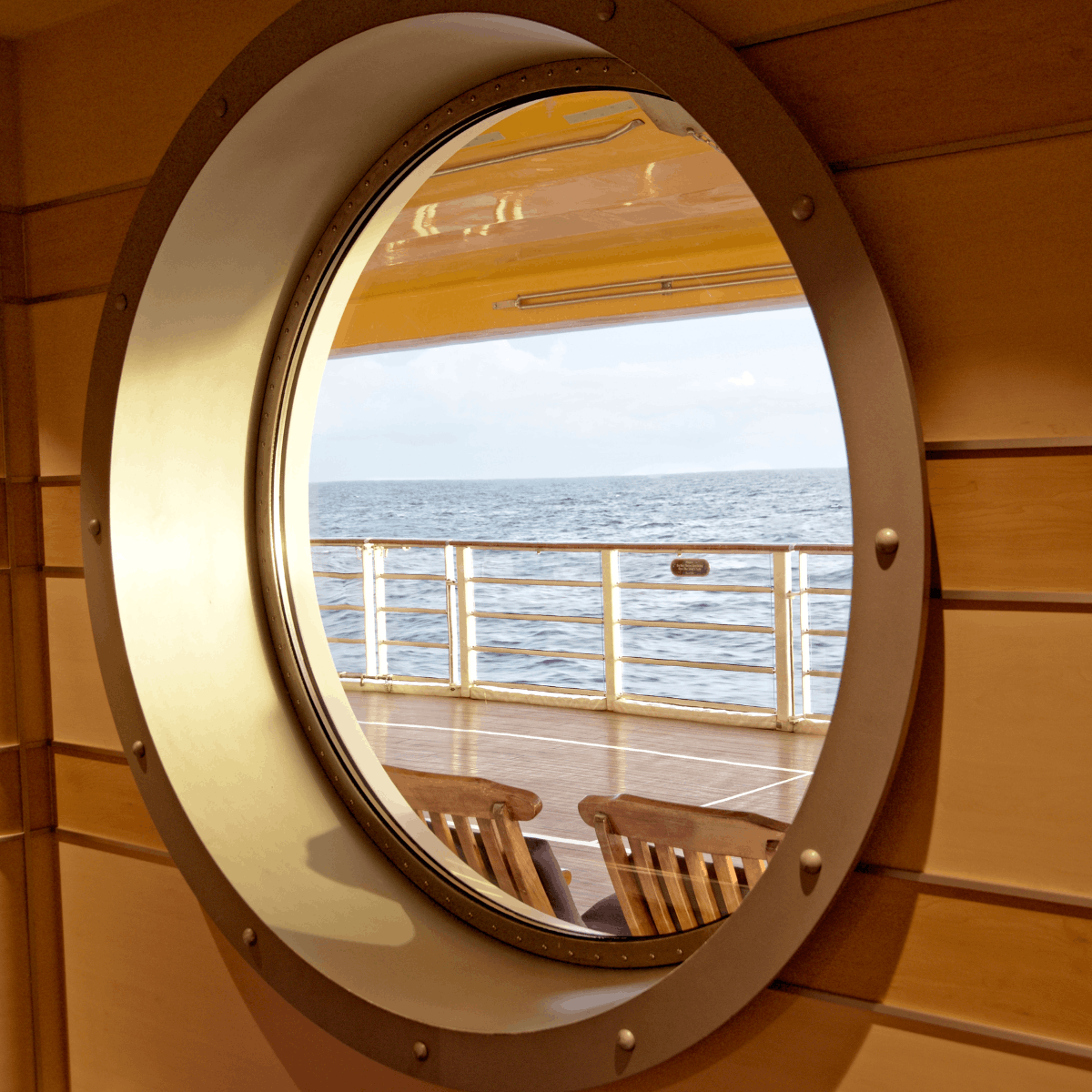
Cruise Motion Sickness Tips to Use Before Sailing
Preparation is much easier than trying to catch up after nausea begins. Motion sickness medication is generally more effective when taken before exposure, so talk with your doctor or pharmacist well before your trip if you think you may need it. Ask what option is appropriate for you, when to take it, and whether you should try it at home first to see how your body responds.
Arrive rested, drink plenty of water, and eat a light meal before the ship leaves port. Sleep deprivation, alcohol, smoking, and large or greasy meals can make motion sickness worse. It may also help to plan relaxed activities for your first afternoon instead of immediately spending time reading or scrolling on your phone in an enclosed space.
Keep anything you plan to use in your carry-on bag. Checked luggage may not arrive at your cabin until later, and you do not want your supplies packed away when the ship begins sailing.
It is also helpful to review your ship’s layout before embarkation. Find the open decks, the medical center, and a few indoor public spaces near the middle of the ship. You do not need to memorize the deck plan, but knowing where to go can make the first evening feel less overwhelming.
Once onboard, give yourself time to adjust. Eat lunch, explore the ship, and spend some time outside before sailing away. Try not to begin the cruise with a heavy meal, several drinks, and an hour of scrolling in your cabin. A simple first afternoon can help you notice how your body is responding without focusing on every small movement.
Cruise Seasickness Remedies to Pack Just in Case
Common cruise seasickness remedies include over-the-counter antihistamines such as dimenhydrinate or meclizine. These medications can cause drowsiness and may not be appropriate for everyone. A scopolamine patch is another option for some adults, but it requires a prescription and needs to be applied before travel.
Ask your doctor or pharmacist before taking any motion sickness medication, especially if you are pregnant, have glaucoma or urinary problems, take other prescriptions, or are planning for a child. I am a travel advisor, not a medical professional, and the right choice and timing will depend on your health history.
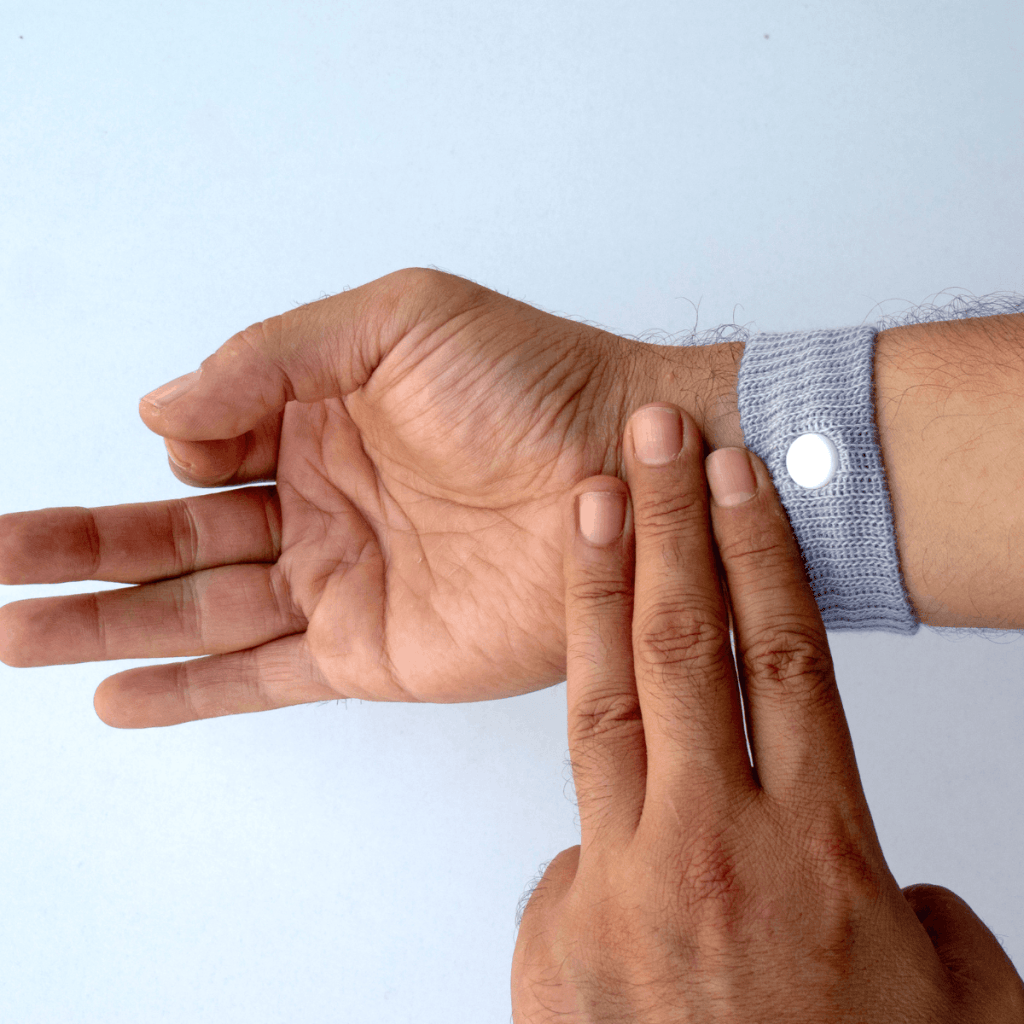
Some cruisers also pack ginger chews, acupressure wristbands, or an electronic relief band. Research supporting these drug-free options is limited or mixed, but some travelers still find them helpful. I would treat them as optional comfort items rather than a guaranteed replacement for medical advice or medication. A small travel case can keep everything together in your carry-on.
Do not rely on the onboard shops to stock the exact product or dosage you normally use. Selection can be limited, shops are closed while the ship is in port, and availability can change. Bring enough of any approved medication for the entire sailing and keep it in its original packaging.
Your cruise seasickness remedies should also stay with you on embarkation day instead of going into a checked suitcase. This is especially important if your healthcare professional has instructed you to take something before the ship leaves port.
Shop My Cruise Essentials
I put together a collection of my favorite cruise essentials to make packing a little easier. It includes practical items for embarkation day, your cabin, port days, and time by the pool, along with a few products that may help you feel more prepared for cruise motion sickness.
Shop my complete collection of cruise essentials here.
Non-Medication Ways to Ease Seasickness
At the first sign of nausea, head to a place where you can see the horizon and get fresh air. Stay near the middle of the ship when possible, keep your head relatively still, and focus on a distant point instead of looking down at the water.
Put away your phone, book, or tablet until you feel better. Resting or lying down may also help because it limits head movement. Slow, controlled breathing is another simple option that may reduce symptoms.
Choose small portions of bland foods, such as crackers, and sip water or a non-caffeinated drink. Avoid alcohol and heavy, spicy, or greasy foods while you are feeling off. Ginger candy or ginger ale may be comforting.
Fresh air is often helpful, but you do not need to stand at the railing watching the waves. Looking down at water moving directly beside the ship can make some people feel worse. Face outward and focus on the distant horizon instead.
If an open deck is not practical because of the weather, look for an indoor lounge with large windows near the center of the ship. Sitting upright with your head supported or lying down in your cabin may also help limit unnecessary head movement.

What to Do If You Start Feeling Sick Onboard
Respond as soon as you notice early symptoms instead of waiting for them to become more intense. Move to a lower, central part of the ship or an open deck where you can see the horizon. Stop reading or looking at a screen, limit unnecessary movement, and use any medication according to the instructions from your healthcare professional.
Find a chair or lounger where you can sit comfortably and keep your head supported. Closing your eyes may help if you cannot see the horizon, particularly if you are in an enclosed space. Take slow breaths and give your body time to settle before trying to return to your plans.
Sip water instead of drinking a large amount at once. If you are hungry, choose something light rather than skipping food completely or ordering a heavy meal. Crackers, bread, rice, bananas, and other simple foods may be easier to tolerate until you feel better.
It may be tempting to stay in a windowless cabin because you do not feel well, but that can make the visual mismatch worse for some people. Try moving to an open deck or a central indoor area with windows first. If walking around makes your symptoms worse, return to your cabin and lie down.
Ask a crew member where to find the ship’s medical center if your symptoms are severe, you cannot keep fluids down, or your usual plan is not helping. Do not assume guest services will have free medication available because supplies and policies vary by cruise line and ship. The medical team can also evaluate whether your symptoms may have another cause.
Traveling is so much easier with the right gear and I’ve got you covered! Check out my Amazon favorites for all the best travel essentials—from gadgets to keep you organized to comfy must-haves for long flights.
When to Visit the Ship’s Medical Center
Mild motion sickness may improve after you rest, look at the horizon, or follow the treatment plan you discussed with your healthcare professional. More severe or unexpected symptoms deserve medical attention.
Contact the medical center if you are vomiting repeatedly, cannot keep fluids down, feel dehydrated, become confused, faint, or have symptoms that are unusually intense. Fever, diarrhea, severe abdominal pain, chest pain, weakness, or a severe headache may point to something other than motion sickness and should not be ignored.
If you receive medical care onboard, keep copies of any paperwork and receipts in case you plan to file a claim with your travel insurance provider after the trip. Questions about cost should not keep you from seeking help when you need it.

Choosing a Sailing When You Are Worried About Cruise Motion Sickness
The ship and itinerary can influence how much movement you feel, but neither can guarantee a perfectly smooth sailing. Larger ships with modern stabilizer systems may feel steadier in many conditions, although ship design, weather, and sea conditions still matter.
A shorter first cruise can feel less intimidating if you are unsure how your body will respond. You can also look for an itinerary with less time in exposed open water and avoid choosing a route based only on the assumption that an entire region is always calm. Conditions can change during any sailing.
The number of port days can be worth considering, but remember that ships often travel between ports overnight. A port-heavy itinerary does not mean the ship will remain docked most of the trip. Look at the distance between destinations and the number of full sea days instead of making a decision based only on the number of ports listed.
Time of year matters too, although there is no month when calm water is guaranteed. Seasonal weather patterns can increase the chance of rougher conditions on some routes. A travel advisor can help you compare general sailing patterns, but no one can predict the exact conditions you will encounter months in advance.
This is an area where personalized cruise planning is especially helpful. When a client mentions motion sickness, I can compare ships, routes, and available stateroom locations instead of recommending a sailing based only on price. If you are planning your first cruise or considering Disney Cruise Line, those details deserve attention before the deposit is paid.

First Cruise Motion Sickness Questions
- Will I get seasick on a large cruise ship?
- Ship size can help, but it does not determine whether you will feel sick. Your personal sensitivity, cabin location, weather, and sea conditions all play a role. Choosing a lower, midship cabin and preparing before sailing gives you a better plan than relying on ship size alone.
- Is a cabin with a balcony better for cruise motion sickness?
- A balcony can make it easier to get fresh air and look at the horizon, but its location still matters. A balcony cabin high at the front of the ship may have more movement than a lower cabin near the middle.
- Should I wait until I feel sick to take medication?
- Many motion sickness medications work best before symptoms begin, but the correct timing depends on the product and your health needs. Ask your doctor or pharmacist what to use and when to take it rather than waiting until embarkation day to decide.
- How long does seasickness last on a cruise?
- There is no single timeline because symptoms depend on your sensitivity and the ship’s movement. Some people adjust after several hours or a day at sea, while others notice symptoms only during rougher conditions.
- Can I prevent cruise motion sickness completely?
- No strategy can guarantee that you will never get sick. Choosing a lower, midship cabin, preparing medication with your healthcare professional, sleeping well, limiting alcohol, and responding to symptoms early can reduce your risk.
- Is seasickness worse on the first day?
- The first day is often when new cruisers are paying the closest attention to the ship’s movement and adjusting to an unfamiliar environment. Some travelers gradually adapt, but sea conditions can change throughout the itinerary. Keep your prevention supplies easily accessible just in case.

Plan Your First Cruise With More Confidence
Cruise motion sickness does not automatically mean cruising is off the table. A well-located cabin, a doctor-approved prevention plan, and a few practical habits can help you feel more prepared before you sail.
Choosing your cabin early gives you access to more room locations, particularly if you want to stay near the middle of the ship on a lower deck. Waiting until the last minute may leave you with fewer choices and make it harder to balance location, cabin type, and budget.
If you want help comparing ships, finding a better cabin location, and choosing an itinerary that fits your vacation priorities, I would love to plan it with you. Reach out to start planning your cruise, and I will help you take care of the details before you step onboard.

