
Don’t Make These Mistakes on Your National Parks Vacation
Please note, this post may contain affiliate links. Visit Devine Fairytale’s Disclosure Policy for more details.
Planning a national parks vacation is exciting, but it can quickly go sideways if you don’t plan carefully. Whether you’re exploring iconic spots like Yellowstone or venturing into lesser-known gems, avoiding common mistakes can make your trip smoother and more enjoyable. Here are some things to watch out for when planning your national parks vacation.
Mistakes to Avoid on Your National Parks Vacation
Visiting a National Park can be the trip of a lifetime. You’ll want to make the most of your trip, so make sure to avoid these mistakes on your National Parks vacation.
Not Researching the Park Ahead of Time
Each national park is unique, and showing up without a plan can leave you overwhelmed. Take time to research the best trails, park regulations, and seasonal conditions. Some National Parks require permits for popular hikes, and others have strict rules about wildlife interactions.
Underestimating the Weather
Weather in national parks can be unpredictable. Many parks have diverse climates, and conditions can change rapidly. Packing for warm weather but forgetting layers for cooler evenings or sudden storms is a common mistake. Check the forecast before you go and bring clothing that can be layered.
Not Making Reservations Early Enough
National parks are popular, and lodging and camping spots can fill up fast. Waiting until the last minute to book your accommodations could leave you scrambling for a place to stay. Unlike some state parks that might have more availability, many national parks operate on a reservation system, especially during peak season. Plan ahead and book your lodging as soon as possible.
Not Bringing Enough Water and Snacks
Many national parks have limited food and water options once you’re inside or out on the trails. It’s easy to underestimate how much you’ll need, especially if you’re hiking or exploring remote areas. Carry a refillable water bottle and plenty of snacks to stay energized and hydrated. Items like protein bars, trail mix, jerky, and granola are all great options!
Skipping the Visitor’s Center
The Visitor’s Center is always full of information. Here you can pick up a map as well as learn about the special features in the park. You will also be able to talk to the Park Rangers about their daily activities, the best hikes, and if there are any alerts you need to be aware of before heading out to explore on your own.
Ignoring Safety Guidelines
From wildlife encounters to challenging terrain, national parks come with inherent risks. Ignoring park guidelines, such as staying on marked trails or feeding wildlife, can put you and the environment in danger. Familiarize yourself with the park’s safety recommendations and always follow them.
Overpacking or Underpacking
Packing can be tricky. Overpacking can make your trip cumbersome, while underpacking can leave you without essentials. Make a checklist of necessary items such as maps, first aid kits, appropriate clothing, and gear specific to your activities. Remember, national parks vs state parks often have different terrain and accessibility levels, so pack accordingly.
Not Understanding the Difference Between National Parks vs State Parks
A national parks vacation is a different experience compared to visiting state parks. National parks are typically larger, have stricter regulations, and offer more iconic landmarks, while state parks often provide easier access and a more relaxed atmosphere. Knowing these differences can help you set realistic expectations and plan a trip that suits your style.
Relying Too Much on Technology
Cell service is often unreliable in national parks, and relying on GPS alone can lead to trouble. Always carry a paper map and know your route ahead of time. You’ll want to save your battery too, so take a few photos and videos, but then put your devices away and let yourself soak in the natural beauty around you.
Not Leaving Any Flexibility in Your Itinerary
Having a plan is great, but leaving room for spontaneity can make your trip even better. Sometimes trails are closed, wildlife sightings happen unexpectedly, or you might want to explore an area longer than planned. Be flexible and enjoy the moment. You won’t be able to do it all so make sure you focus on the activities that are most important to you.
Forgetting Park Fees and Passes
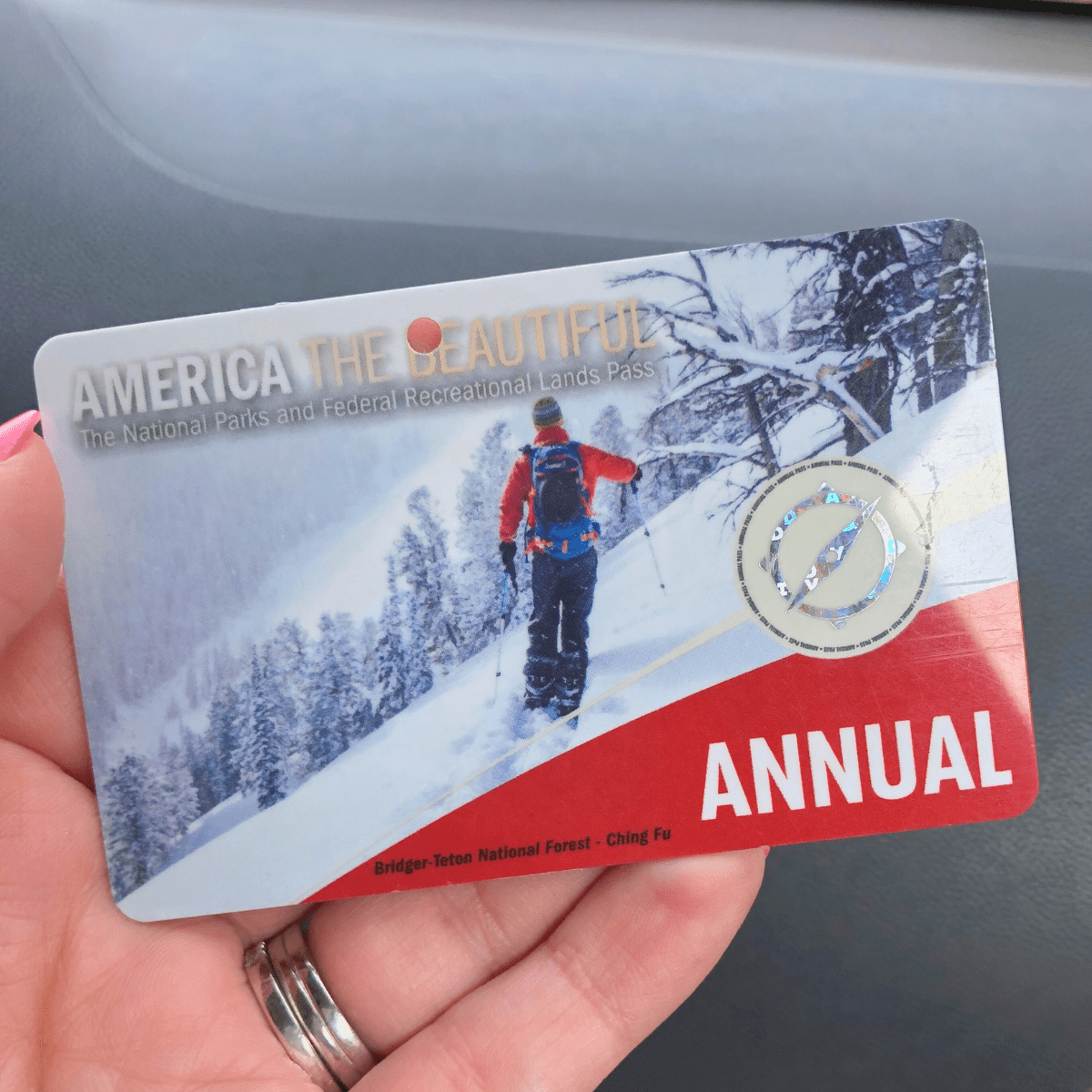
Most national parks charge an entrance fee, and it’s important to budget for it. Consider getting an annual pass if you plan to visit multiple parks. Unlike state parks, which often have lower fees, national parks tend to have higher entrance costs.
Sleeping In
Early morning hours are often the best time at the parks. The wildlife is more active. There are fewer people around. The temperature isn’t as hot. As the day moves on, that morning magic disappears. Even though you’re on vacation, set your alarm and get the day started early.
Traveling is so much easier with the right gear and I’ve got you covered! Check out my Amazon favorites for all the best travel essentials—from gadgets to keep you organized to comfy must-haves for long flights.
Tips for Planning a National Parks Vacation
- Choose the right time to visit: National parks can get crowded, especially during peak summer months. Consider visiting in the off-season for a quieter experience.
- Plan your itinerary but stay flexible: Have a general plan but allow for spontaneous detours and changes.
- Get an America the Beautiful pass: This annual pass grants access to all national parks and federal recreation areas for a single fee, which can save you money if you plan to visit multiple parks.
- Pack smart: Bring layers, sturdy footwear, plenty of water, snacks, and essential safety items like a first aid kit.
- Check for park alerts: Always visit the park’s official website to check for trail closures, weather conditions, and any restrictions.
- Use the All Trails app for hiking: The All Trails app offers detailed trail maps, difficulty ratings, and reviews from other hikers. You can download the maps ahead of time and use them offline which is helpful if there isn’t much cell service.
FAQs About National Parks Vacations
- What is the difference between national parks vs state parks?
- National parks are federally managed and focus on preserving natural beauty and wildlife, while state parks are managed by individual states and often cater to recreation.
- Do I need a reservation to visit a national park?
- Some parks require reservations for entry, lodging, and popular hikes. Check the park’s official website for details before your trip.
- What should I pack for a national parks vacation?
- Essentials include layered clothing, a first aid kit, plenty of water, snacks, a map, sunscreen, and proper hiking gear.
- Are pets allowed in national parks?
- Policies vary by park, but generally, pets are restricted to certain areas such as campgrounds and paved roads.
- How do national parks vs state parks compare in terms of cost?
- National parks typically have higher entrance fees, while state parks often provide a more budget-friendly alternative.
Final Thoughts
A national parks vacation can be an unforgettable adventure if you avoid these common mistakes. Whether you’re navigating the differences between national parks vs state parks or simply planning for the unexpected, being prepared will help you make the most of your experience. Take the time to plan, stay flexible, and enjoy the incredible beauty that these parks have to offer.

Read More:
