
How to Get a Better Night’s Sleep With Simple Daily Habits

Please note, this post may contain affiliate links. Visit Devine Fairytale’s Disclosure Policy for more details.
A better night’s sleep rarely comes from one big fix. It usually comes from a handful of small habits that start in the morning and carry all the way through your bedtime routine, and learning how to get a better night’s sleep is mostly about stacking those habits in your favor.
If you’re having trouble sleeping, don’t worry, we’ve all been there! Getting a good night’s rest is essential for our physical and mental well-being, and it’s what makes busy workdays, travel days, and everything in between feel more doable. These are the routines, tools, and little swaps that help me wind down, along with a few easy daytime habits that get your body ready for bed before you even think about it.

Set Up a Bedtime Routine for a Better Night’s Sleep
Routines are key when it comes to getting better sleep. Our bodies become accustomed to certain patterns and activities, so it’s best to stick to the same bedtime routine every night. This could include taking a warm bath, reading a book, or doing some light stretching before crawling into bed.
Consistency matters most here, so try to go to bed and wake up at the same time every day as often as possible, weekends included. Doing this will help your body recognize when it’s time for sleep and help you to wake up naturally. Most adults need at least seven hours a night, so count backward from your alarm and pick a bedtime that gives you that cushion. A steady schedule is the simplest way to get a better night’s sleep without buying a thing.
Your routine doesn’t need to be long or elaborate to work. Twenty or thirty minutes of the same few steps in the same order is plenty to tell your brain the day is done. Reading on my Kindle for about 30 minutes before bed is one of the habits I protect most, and soft pajamas and a cup of decaf tea are easy additions that make the whole thing feel like a treat instead of a chore.
I love using my Hatch Restore to set up my routines to wind down and wake up naturally. There are soothing sleep sounds and a sunrise alarm to gently wake up with light and sounds in the morning. Waking up to a slowly brightening room is so much gentler than a blaring phone alarm, and it gives you one less reason to keep your phone on the nightstand.
Reduce Screen Time and Stimulation Before Bed
This next tip is one of the best ways to get a good night’s sleep. Avoid using technology for at least an hour before bedtime. The blue light from screens can interfere with our body’s natural circadian rhythm and make it difficult to fall asleep. Instead, try doing something relaxing that doesn’t involve screens, such as reading a book or writing in a journal before bedtime.
The light isn’t the only issue. Scrolling, answering one last email, or starting another episode keeps your brain busy right when it should be slowing down. Try charging your phone across the room or in the kitchen, and set up a sleep focus or Do Not Disturb schedule so notifications stay quiet until morning. Using blue light blocking glasses in the evening can also help out, especially on nights when you need to finish a little work after dinner.

Quiet Your Mind Before Lights Out
A racing mind can keep you awake just as easily as a bright screen. If you tend to lie in bed replaying the day or mentally building tomorrow’s to-do list, give those thoughts somewhere to go before you turn off the lamp.
A quick brain dump helps more than you’d expect. Keep a notebook or your planner on the nightstand and write down everything still rattling around, from the email you need to send to the birthday card you keep forgetting to mail. Once it’s on paper, your brain doesn’t have to hold onto it overnight.
Slow breathing, a short guided meditation, or a few minutes of gentle stretching can also help your body shift out of go mode. None of these need to be long or done perfectly. The goal is simply to tell your body that the busy part of the day is over. Protecting your sleep this way also makes you a priority, right alongside the other little self-care ideas that help you refill your cup.
Exercise and Get Some Sunlight During the Day
What you do during the day shapes how easily you fall asleep at night. Movement and natural light are two of the simplest ways to set yourself up for a better night’s sleep long before bedtime is on your radar.
Exercise can help tire out your body so that when it comes time to go to bed, you will be more likely to feel relaxed and sleepy. Aim for at least 30 minutes of exercise or movement each day, either through walking outdoors or doing some form of light activity indoors like yoga or stretching. I got a walking pad for my office to get some steps in while I work from home, and I’ve been loving it! Try to finish more intense workouts a few hours before bed, since a hard sweat session late at night can leave you feeling wired instead of sleepy.
Getting outside in natural light soon after you wake up helps set your internal clock, which makes it easier to feel sleepy at the right time later that night. Take your morning coffee outside, walk to the mailbox, or fold a short walk into your morning routine. If you’re a napper, keep afternoon naps short and early so they don’t steal sleep from your night.
Create the Right Environment for a Better Night’s Sleep
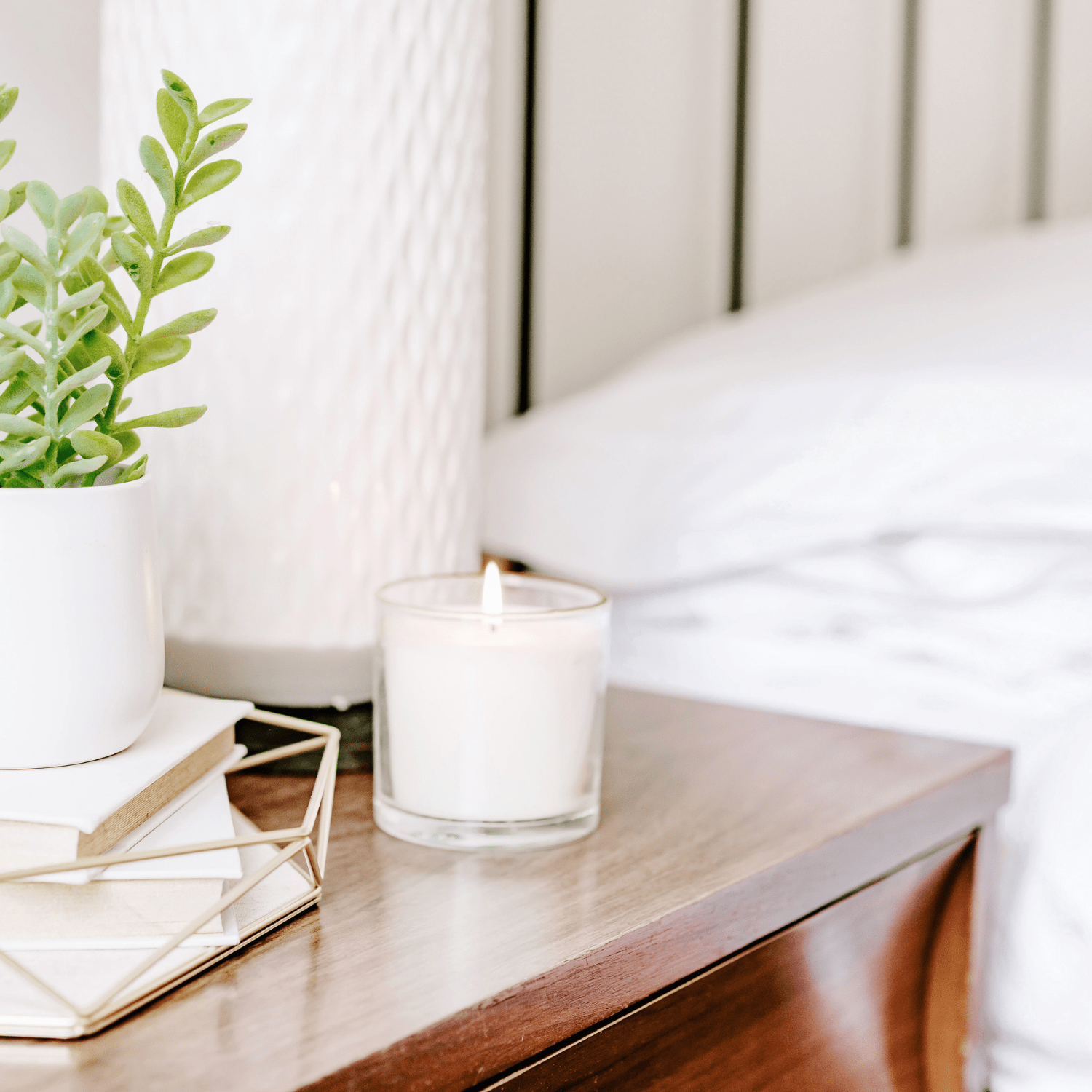
Creating the perfect environment for sleeping can be tricky, but it’s worth it in the end! Make sure your bedroom is dark and cool, which signals your body that it’s time for bed. Most people sleep best somewhere in the mid-60s, so nudge the thermostat down a few degrees before you turn in.
If you have any electronics in your room like computers or TVs, be sure to turn them off, as they emit blue light that can disrupt your natural melatonin production. Melatonin is the hormone responsible for making us feel sleepy, so you want to give it every chance to do its job. You should also consider investing in blackout curtains or an eye mask if necessary. A white noise machine or a fan helps cover up the late-night sounds of a busy house or neighborhood.
A mattress that’s lost its support or a pillow that’s gone flat can leave you tossing all night. Soft, breathable bedding makes a big difference, especially if you tend to sleep hot. Keep the space calm and clutter-free when you can, because a nightstand piled with mail and laundry isn’t exactly relaxing to look at.
Try a Little Extra Sleep Support
Sometimes your routine needs a small boost, especially during busy seasons, after travel, or through a stretch of restless nights. A supplement can be a helpful addition when your habits are already in place.
I use Goli’s Dreamy Sleep Gummies to help me fall asleep quickly. They’re made with melatonin and magnesium, plus a calming herbal blend. You can try them out for yourself and save on your order with my code, DEVINEFAIRYTALE.
Before adding any sleep supplement to your routine, check in with your doctor or pharmacist, especially if you take other medications, are pregnant, or plan to use it every night. Supplements work best as a helper alongside good habits rather than a replacement for them.
Change Your Diet Habits for Better Sleep
What you eat throughout the day can affect how well you sleep at night. Eating heavy meals close to bedtime can cause indigestion, which can interfere with your ability to fall asleep easily. It’s best to avoid caffeine late in the day since this stimulant will keep you awake longer than usual. If an afternoon iced coffee is part of your daily rhythm, try moving it to lunchtime or switching to decaf after that.
Instead of a late caffeine boost, opt for foods that are rich in magnesium, such as nuts and seeds, or drink chamomile tea before going to bed. Both are easy, natural ways to help calm down your mind before sleeping.
Alcohol is a sneakier sleep stealer. A glass of wine might make you feel drowsy at first, but it tends to make sleep lighter and more broken in the second half of the night. It also helps to cut back on how much you drink in the hour or two before bed so you aren’t up for bathroom trips at 3 AM.
What to Do When You Can’t Fall Asleep
Even with the best routine, some nights your brain just won’t cooperate. How you handle those nights makes a big difference in how quickly you get back on track.
If you’ve been lying awake for around 20 minutes, get out of bed and do something calm in dim light, like reading a few pages or sitting with a cup of herbal tea, until you feel sleepy again. Staying in bed and tossing only teaches your brain that bed is a place to stress. Turn your clock away from you, too, because checking the time and counting how many hours are left before your alarm makes it even harder to relax.
Give yourself grace on the rough nights. One bad night doesn’t undo your progress toward a better night’s sleep, and trying to make up for it with a long nap or sleeping in late usually throws off the next night. Get up at your normal time and let your routine carry you back.
If trouble sleeping lasts for weeks, or you snore loudly, wake up gasping, or feel exhausted no matter how long you sleep, talk to your doctor. Issues like insomnia and sleep apnea are common and very treatable, and you deserve to feel rested.
Pick One Small Change and Sleep Better Starting Tonight
Getting a better night’s sleep doesn’t have to be difficult if you know what steps to take! You don’t need to overhaul your entire evening at once. Choose the habit that feels easiest, like charging your phone in the kitchen, setting a consistent bedtime, or moving your iced coffee a little earlier, and give it a week before adding the next one.
Rest is what gives you energy for the fun parts of life, like a weekend trip you’ve been counting down to or a long dinner with friends that you don’t want to leave early. Start small tonight, let the good habits build on each other, and enjoy waking up feeling a little more like yourself. Good night and sleep tight.


Choose Joy Each Morning: My Morning Routine
[…] There are so many benefits to having a consistent morning routine, such as improved productivity, better sleep, and increased mental clarity. With some simple changes and thoughtful habits, you can make […]
Jenifer Wetle
Thank you for all the great tips about how to get a good night’s sleep. I tend to have trouble sleeping so I will try these tips.
Shannon Devine
Jenifer WetleI hope these tips will help!
Michelle Smith
Wonderful bedtime routine. Thank you for sharing.
Shannon Devine
Michelle SmithYou’re welcome, hope it’s helpful!
Jodi Hunter
Thanks for this amazing post, I sleep horrible.