
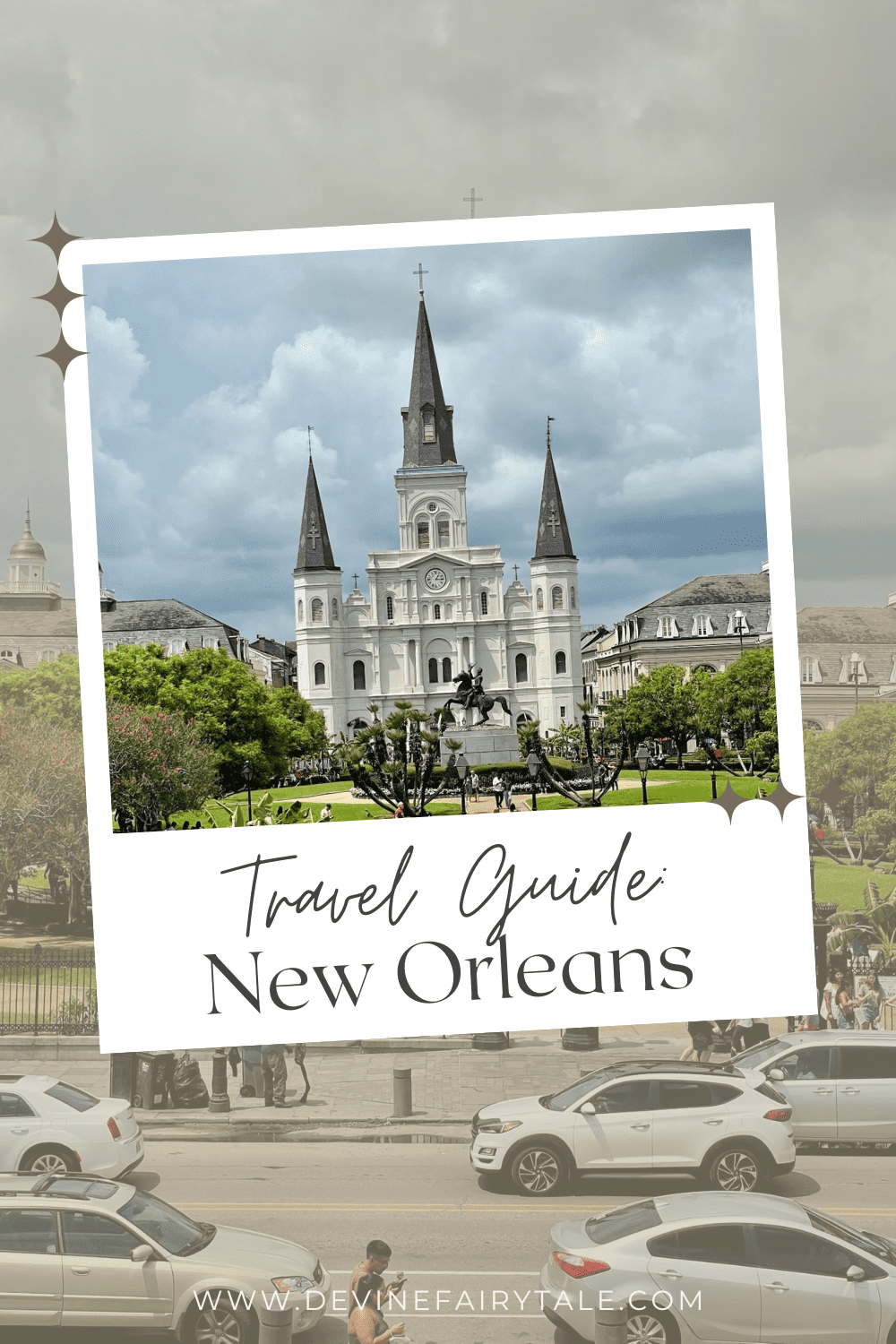
Please note, this post may contain affiliate links. Visit Devine Fairytale’s Disclosure Policy for more details.
Few cities make you feel like you’ve stepped into a different world the second you arrive, but New Orleans really does. The food, the music spilling out of every other doorway, the architecture, the way people actually slow down and let life happen, all of it adds up to a city that feels like its own little universe. If you’ve been thinking about a trip, this travel guide for New Orleans will walk you through where to stay, where to eat, what to do, and a few practical things worth knowing before you go.
We’ve visited a few times now and I’m sharing the spots that felt the most worthwhile. Whether you’re planning a long weekend, a couple’s getaway, or your very first trip to the Big Easy, you’ll find something here to bookmark.
Note: Some parts of our visit to New Orleans were sponsored by New Orleans & Company.

When to Visit New Orleans
The short answer is that New Orleans is a year-round destination, but a few seasons stand out, and any travel guide for New Orleans should help you pick the right one for the kind of trip you want.
Spring, especially March and April, is one of the best times to visit. The weather is warm without being unbearable, the festivals are nonstop, and the city has a beautiful, lively energy. French Quarter Festival in April is a dream if you love food and music, and Jazz Fest typically runs late April into early May.
Fall, from October through early December, is another sweet spot. Cooler temps, fewer crowds compared to spring, and the city dresses up beautifully for Halloween, which feels especially fitting given the ghost stories and architecture.
Summer is hot and humid in a way you really feel, and afternoon thunderstorms are part of daily life from June through August. If summer is your only option, plan indoor activities for the hottest part of the day and embrace the slower pace. Mardi Gras season, leading up to Fat Tuesday, is incredible but extremely crowded and expensive, so book early and prepare for big energy.
Where to Stay in New Orleans
Choosing where to stay in New Orleans really depends on the kind of trip you want. The good news is the city has options for every budget and travel style, from sleek boutique hotels to historic properties with serious old-school charm.
Staying in or near the French Quarter or Central Business District puts you within walking distance of most of the major sights, restaurants, and nightlife. If you want a quieter, more residential vibe with beautiful architecture, the Garden District is a gorgeous choice, just plan to use the streetcar or rideshare to get to the action. The Warehouse District is another great pick if you’re more interested in trendy restaurants, art galleries, and boutique hotels than tourist crowds.

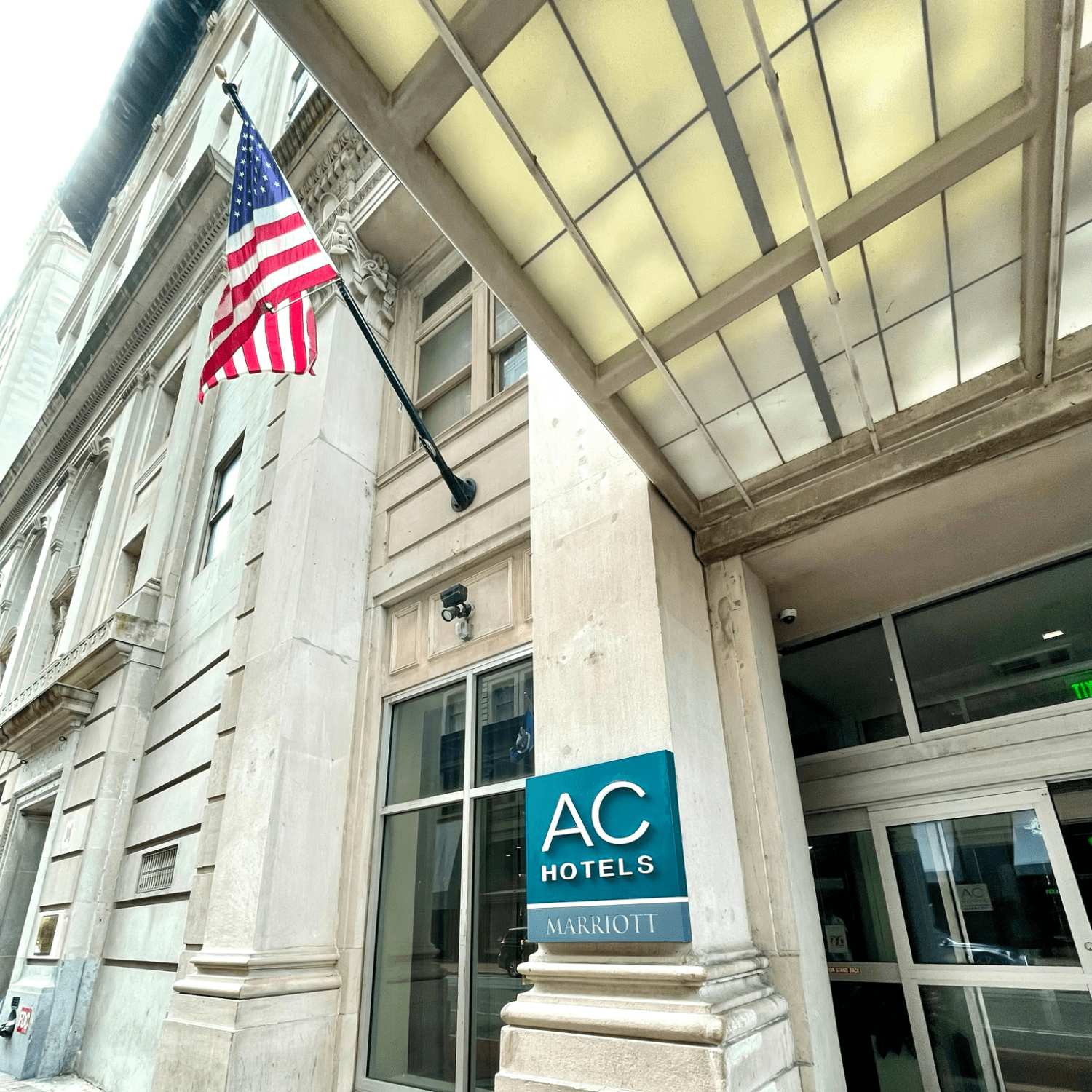
AC Hotel New Orleans French Quarter
On our most recent trip, we stayed at the AC Hotel New Orleans French Quarter, a Marriott property a couple of blocks from Canal Street. The building itself has a really cool history, formerly the Cotton Exchange and a bank, and the design leans modern and clean while honoring the bones of the space.
The lobby lounge was one of our favorite parts of the stay. They served small bites to guests on Friday evening, which was such a nice touch after a long travel day. The location made it easy to walk to most of the French Quarter and Warehouse District spots we had on our list.
AC Hotel New Orleans French Quarter, 221 Carondelet St, New Orleans, LA 70130
Traveling is so much easier with the right gear and I’ve got you covered! Check out my Amazon favorites for all the best travel essentials—from gadgets to keep you organized to comfy must-haves for long flights.
Neighborhoods to Know in New Orleans
You don’t have to memorize a map before your trip, but knowing the basics helps you plan smarter.
The French Quarter is the most iconic neighborhood, full of wrought iron balconies, jazz, beignets, and the buzz most people picture when they think of New Orleans.
The Central Business District (CBD) sits right next to it and is where you’ll find a lot of the bigger hotels, the Superdome, and easy walkable access to the French Quarter.
The Warehouse District is the artsy, foodie pocket with great restaurants, the National WWII Museum, and a slightly slower pace.
The Garden District is residential and stunning, full of historic mansions and shaded oak-lined streets, and Magazine Street is the place to wander for shopping and food.
Frenchmen Street, just outside the French Quarter in the Marigny, is the live music heart of the city if you want something more local and less Bourbon Street.
How to Get Around New Orleans
Most of the French Quarter and CBD are easily walkable, which is a big part of the city’s charm. You’ll get more out of your trip by exploring on foot than by trying to drive. Wear comfortable shoes, the streets and sidewalks are uneven and historic in the most New Orleans way possible.
For longer distances, rideshares like Uber and Lyft are reliable and easy to grab. The streetcars are also a fun and affordable way to get around, especially the St. Charles line that runs through the Garden District. A Jazzy Pass gives you unlimited streetcar and bus rides for a flat day rate, which is worth it if you’re hopping between neighborhoods.
If you’re flying in, Louis Armstrong New Orleans International Airport (MSY) is about 20 to 30 minutes from the French Quarter depending on traffic. Rideshares are usually the easiest option from the airport.

Where to Eat in New Orleans
You really cannot talk about New Orleans without talking about the food, and no travel guide for New Orleans is complete without a proper restaurant list. This is a city that takes meals seriously, and rightfully so. Creole and Cajun cuisine pull from French, Spanish, African, and Caribbean influences, and the result is some of the most flavorful food in the country. Gumbo, jambalaya, étouffée, po’boys, beignets, oysters, muffulettas, and bread pudding are all part of the experience.
I’d recommend making at least one reservation in advance for a nicer dinner, leaving room for casual walk-in spots, and pacing yourself. The portions are generous and the cocktails are strong.

Chemin à la Mer
Chemin à la Mer is one of those upscale spots that feels like a special occasion the moment you walk in. The menu features Louisiana-style seafood done thoughtfully, with locally sourced ingredients and Creole flavors throughout. Think spicy gumbo, crawfish étouffée, and Creole-seasoned jambalaya served in a setting that has old-world charm without feeling stuffy.
The hospitality is just as memorable as the food. If you’re looking for one elevated dinner during your trip, this is a great pick.

Chandelier Bar at the Four Seasons
The Chandelier Bar lives up to its name. The interior is genuinely stunning, anchored by a massive sparkling chandelier that makes the entire lobby of the Four Seasons feel like a moment. The cocktail menu mixes classic drinks with modern, locally inspired creations, and the small plates menu includes caviar service, vegetable crudité, and beignets if you want a snack with your drink.
This is a fantastic spot to dress up a little, take some pretty photos, and enjoy a slower paced evening cocktail.

Lucy’s Retired Surfers Bar
Lucy’s Retired Surfers Bar is a fun, casual spot in the Warehouse District with a laid-back, tiki-meets-surf vibe. The Shark Attack drink is the famous order, and the frozen cocktail menu is full of fun choices. We hung out at the bar to watch a football game, tried a few different drinks, and shared some of the food. It’s the perfect mid-afternoon stop when you want something easy and social.

Café Du Monde
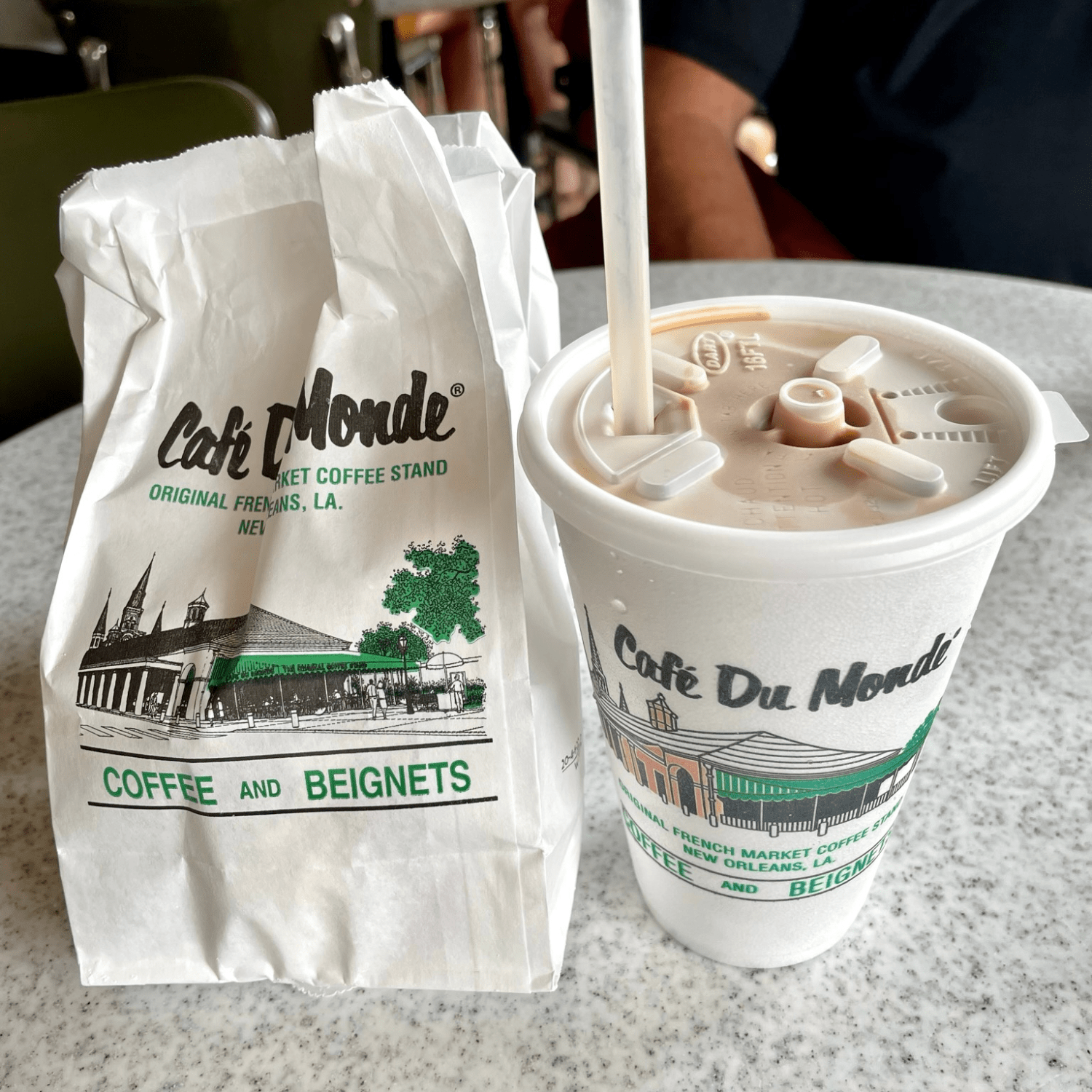
You really can’t visit New Orleans without stopping at Café Du Monde, the beignet institution that has been serving up powdered-sugar-covered pillows of fried dough and chicory café au lait since 1862. The original location sits right across from Jackson Square, open 24 hours a day, seven days a week.
The menu is short on purpose. You’re really there for the beignets, three to an order, fresh and hot and absolutely covered in powdered sugar. Wear something you don’t mind getting dusted because there is no eating these gracefully. Pair them with a café au lait, made with chicory for that signature New Orleans flavor, and grab a seat where you can people watch and soak in the French Quarter.


Luke
Luke is a contemporary Creole brasserie in the CBD with vintage tile floors, exposed brick, and beautiful lighting that feels both classic and current. The menu is rooted in New Orleans culinary traditions with fresh seafood, locally sourced produce, and Creole flavors throughout. The raw bar is a highlight, with fresh oysters on the half shell, shrimp cocktail, and ceviche.
If you’re looking for somewhere that feels classically New Orleans without being overly stuffy, Luke hits the mark.
Iconic New Orleans Foods Worth Trying
If it’s your first trip to New Orleans, these are the foods I’d put on your must-try list. Beignets at Café Du Monde, gumbo at any reputable Creole spot, a muffuletta sandwich (try Central Grocery, the original), char-grilled oysters, jambalaya, and bread pudding for dessert. Po’boys are everywhere and worth ordering at least once, and if you want a real cocktail experience, the Sazerac is the city’s signature drink and dates back to the 1850s.
Best Things to Do in New Orleans
There is genuinely so much to do in New Orleans that you cannot fit it all into one trip, and that’s part of the magic. Here are the experiences we made room for on our most recent visit, plus a few favorites from previous trips.

French Quarter Phantoms Ghost & Vampire Tour
If you love a little spooky history with your travel, the French Quarter Phantoms Ghost and Vampire Tour is a really fun way to experience the legends of New Orleans. The walking tour winds through the historic streets of the French Quarter while the guide shares chilling stories of ghosts, vampires, and the supernatural figures said to haunt the city.


One of the most memorable stops is the LaLaurie Mansion, a historic home with a dark history that has been the subject of countless ghost stories and was famously featured on American Horror Story. Even if you’re not usually into ghost tours, the storytelling and history are worth it.

Vue Orleans
Vue Orleans is one of the newer experiences in the city, perched on top of the Four Seasons Hotel. The observatory features 360 degree views of New Orleans and the Mississippi River, and the interactive cultural exhibits dive into the food, music, and people who shaped the city. Touchless, high-tech displays make it engaging for adults and kids alike, and there’s a small café up top with great views and treats like individual King Cakes, sandwiches, and drinks.


This is a great early-in-your-trip stop because it gives you context for everything else you’ll see.

Jackson Square
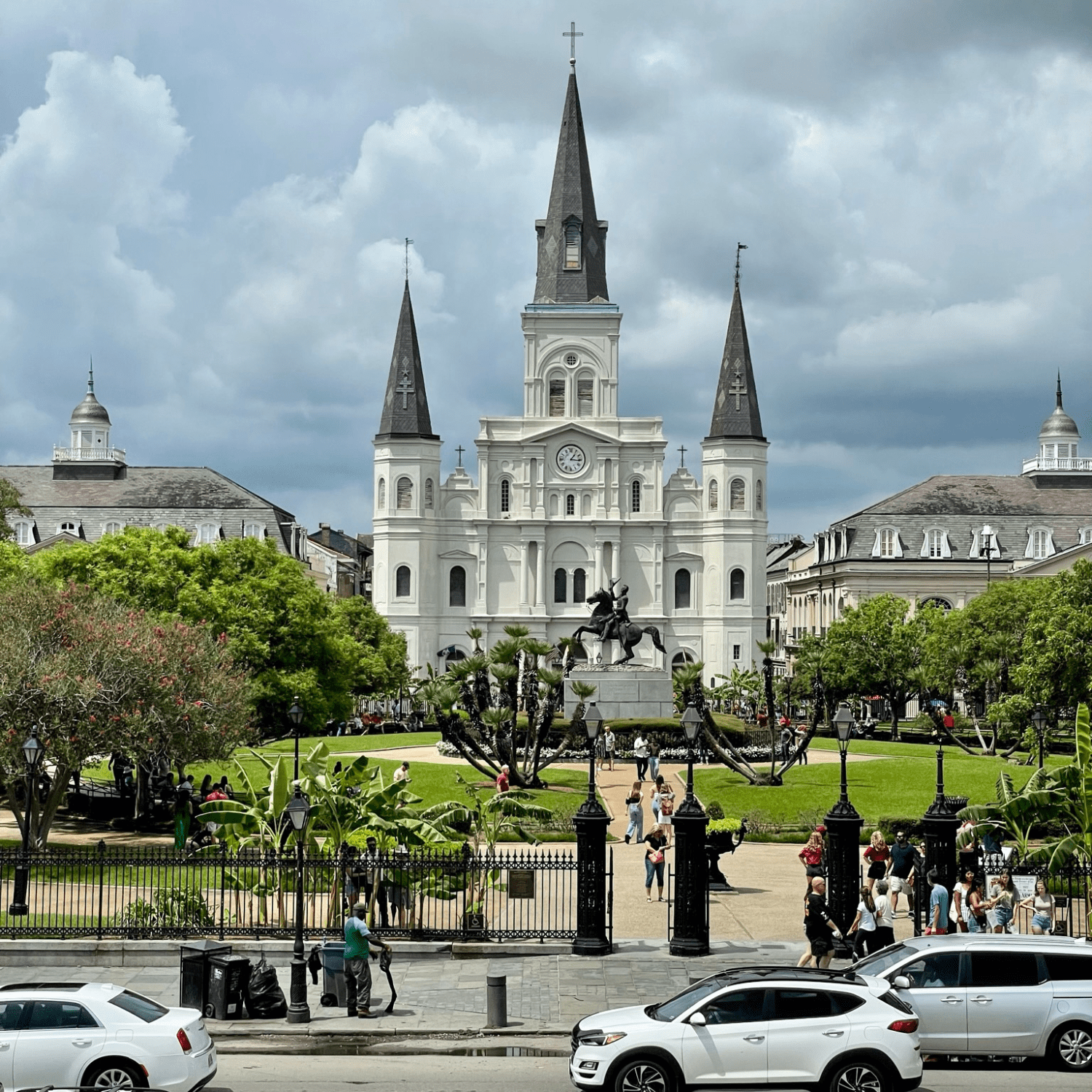
Jackson Square is the historic public park at the heart of the French Quarter, and it’s one of those places that captures the spirit of the city in one spot. You’ll find lush greenery, beautiful landscaping, street performers, local artists selling their work, and live jazz musicians filling the air. It’s also the perfect spot to people watch with a coffee in hand and just enjoy the energy.

St. Louis Cathedral
Sitting right on Jackson Square, St. Louis Cathedral is one of the most recognizable buildings in New Orleans and one of the oldest continuously operating cathedrals in the United States. Completed in 1794 and named for King Louis IX of France, the architecture is a beautiful example of Gothic Revival with three steeples reaching toward the sky.
Inside, you can admire the stained glass, intricate murals, and ornate altars. The cathedral still functions as an active church with daily mass services, and guided tours are available if you want to learn more about its history. Even if you only have a few minutes, a quick walk through is worth it.
Caesars Casino
The former Harrah’s Casino is now Caesars New Orleans. It is a popular stop if you enjoy a casino night during your travels. Located in the heart of the city, you’ll find slot machines, video poker, and table games like blackjack, craps, and roulette.

Live Music on Frenchmen Street
If you love live music, Frenchmen Street is the place to spend an evening. Just outside the French Quarter in the Marigny neighborhood, the street is lined with venues featuring jazz, brass bands, blues, and funk every night of the week. The Spotted Cat, d.b.a., and Snug Harbor are some of the most beloved spots, and you can usually walk between several venues in one night without ever needing a cover.
It’s a more local experience than Bourbon Street and feels more authentic to the city’s musical roots. If a true New Orleans night is on your list, this is where you’ll find it.
Monteleone Carousel Bar
The Carousel Bar at Hotel Monteleone is one of the most beloved bars in New Orleans, and rightly so. The bar itself slowly rotates like an actual carousel, complete with carnival inspired murals, plush velvet seating, and vintage brass fixtures. The classic cocktails are excellent, and the experience is one of those quintessential French Quarter moments that lives up to the hype.
Mardi Gras World
Mardi Gras World offers a behind the scenes look at the floats, costumes, and props that bring Mardi Gras parades to life. The massive warehouse on the Mississippi River feels like walking into a workshop in the middle of full creative chaos, and the guided tour includes a video presentation, a walk through the float den, and a chance to watch artists building floats and sculptures in real time. It’s especially fun if you’ve never experienced Mardi Gras in person.
French Market
The French Market is a historic open air market that’s been part of New Orleans since 1791. The market spans several blocks with vendors selling fresh produce, arts and crafts, souvenirs, clothing, and prepared foods. You can stroll through the stalls, sample local bites, listen to live music, and pick up a few unique pieces to take home. It’s a relaxed, easy stop that fits naturally into a French Quarter walking day.
Garden District and Magazine Street
The Garden District is one of the most beautiful neighborhoods in the city, full of historic mansions, oak lined streets, and storybook charm. Take the St. Charles streetcar from downtown, get off near Washington Avenue, and spend an afternoon wandering. Magazine Street runs through the area and is full of boutiques, antique shops, cafés, and restaurants worth stopping in for. This is the slower paced, photogenic side of New Orleans, and it’s a beautiful contrast to the energy of the French Quarter.
Traveling soon? Don’t miss a beat with the Ultimate Pre-Travel Checklist! It’s packed with all the important things to do before your trip—like confirming reservations, prepping your home, and more. Download it for free and make sure you’re fully ready for takeoff!
Tips for Visiting New Orleans
A few practical things that will make your New Orleans trip smoother:
- Tipping is part of the culture in New Orleans, especially for street performers, tour guides, and bartenders, so plan to carry some cash.
- Most restaurants take cards, but cash is helpful for small purchases and tips.
- Reservations are essential for popular restaurants, especially on weekends, so book ahead when you can.
- Stay aware of your surroundings just like you would in any major city, and stick to well-lit, populated streets at night.
- Don’t try to do everything. Build in time to slow down, listen to the music, and just enjoy the city.
Frequently Asked Questions About New Orleans
- How many days do you need in New Orleans?
- Three to four days is the sweet spot for a first trip. That gives you enough time to explore the French Quarter, eat at several iconic spots, take a tour or two, see the Garden District, and still have a little breathing room. If you can stay longer, even better, but a long weekend is plenty for a great first taste.
- What is the best time of year to visit New Orleans?
- Spring (March and April) and fall (October through early December) offer the most comfortable weather and a great mix of festivals and energy without summer’s intense heat. Mardi Gras is unforgettable but very crowded and expensive.
- Is New Orleans walkable?
- The French Quarter and Central Business District are very walkable, and you can easily explore both on foot. For the Garden District or anywhere outside that core, the streetcar or a rideshare is the easiest option.
- What should you not miss in New Orleans?
- Beignets at Café Du Monde, a meal at a Creole restaurant, live music on Frenchmen Street, a stroll through Jackson Square, and at least one ghost or history tour. These hit the iconic experiences that make New Orleans, well, New Orleans.
- Is New Orleans good for a couples trip?
- Absolutely. The food, music, walkability, and atmosphere make it a fantastic couples getaway. Book a nice dinner, take a ghost tour, enjoy cocktails at the Carousel Bar, and stay somewhere with character.

Why New Orleans Belongs on Your Travel List
New Orleans has a way of pulling you in and making you want to come back as soon as you leave. The food, the music, the architecture, the people, all of it adds up to a city that feels alive in a way few places do. Whether you’re planning your first trip or your fifth, the best experiences here are usually the unhurried ones, the long meals, the unexpected jazz coming from a side street, the slow walk through the French Quarter at golden hour.
This travel guide for New Orleans is meant to give you a strong starting point without locking you into a rigid plan. Pick the spots that sound most like your kind of trip, leave room to wander, and let the city do its thing. That’s where the real magic happens.

