
Visiting Providence Canyon State Park, Georgia’s Little Grand Canyon
Please note, this post may contain affiliate links. Visit Devine Fairytale’s Disclosure Policy for more details.
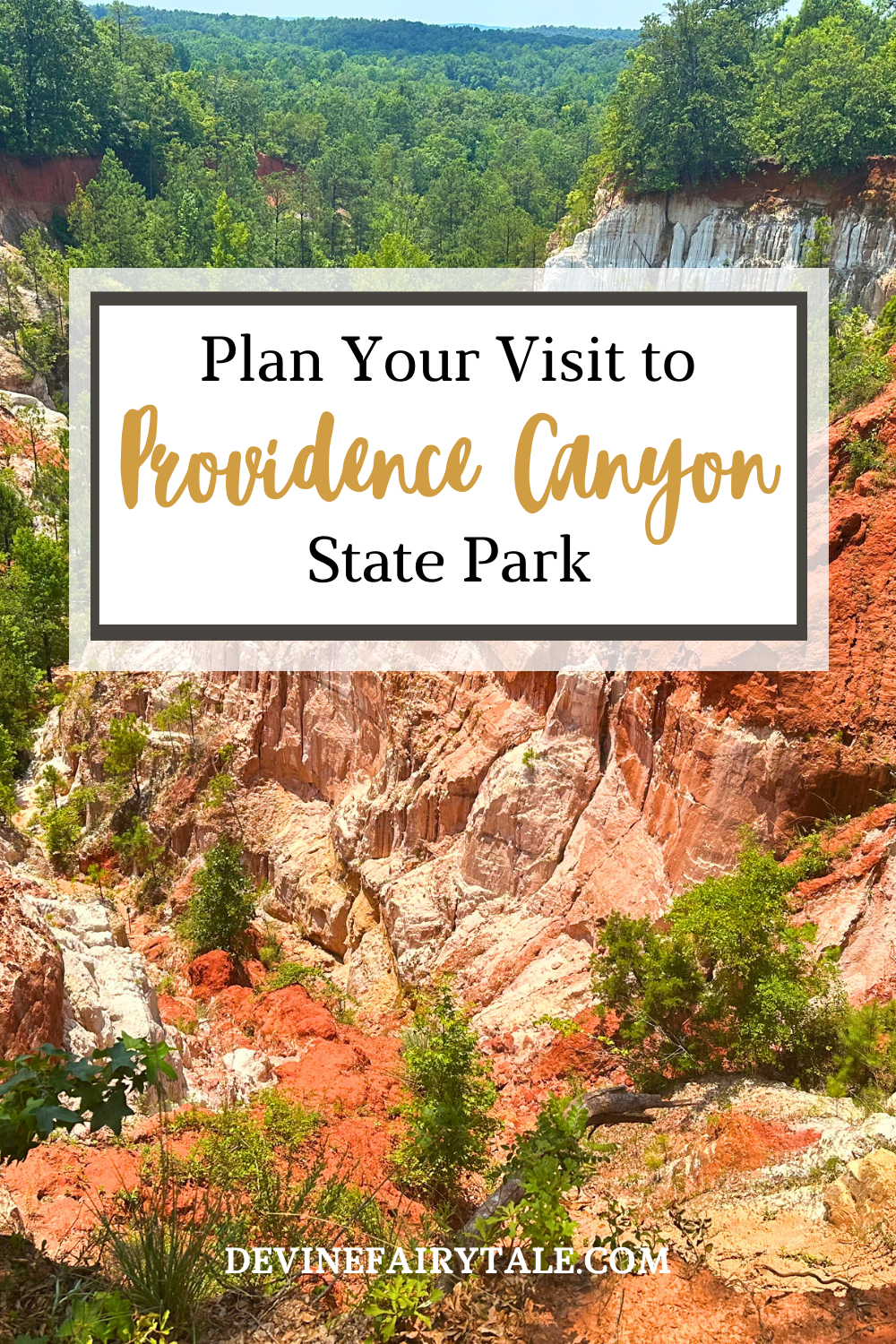
Tucked away in the rural stretch of southwest Georgia lies a natural wonder that feels more like it belongs in the deserts of the American Southwest than the rolling hills of the Peach State. Providence Canyon State Park, affectionately known as Georgia’s “Little Grand Canyon,” is a sight to behold. This lesser-known gem is a favorite among locals but often flies under the radar for those outside the state. And honestly, it’s their loss. If you’re looking for an adventure that combines stunning vistas, a bit of history, and a good dose of fresh air, then Providence Canyon State Park should be at the top of your list.
History of Providence Canyon State Park
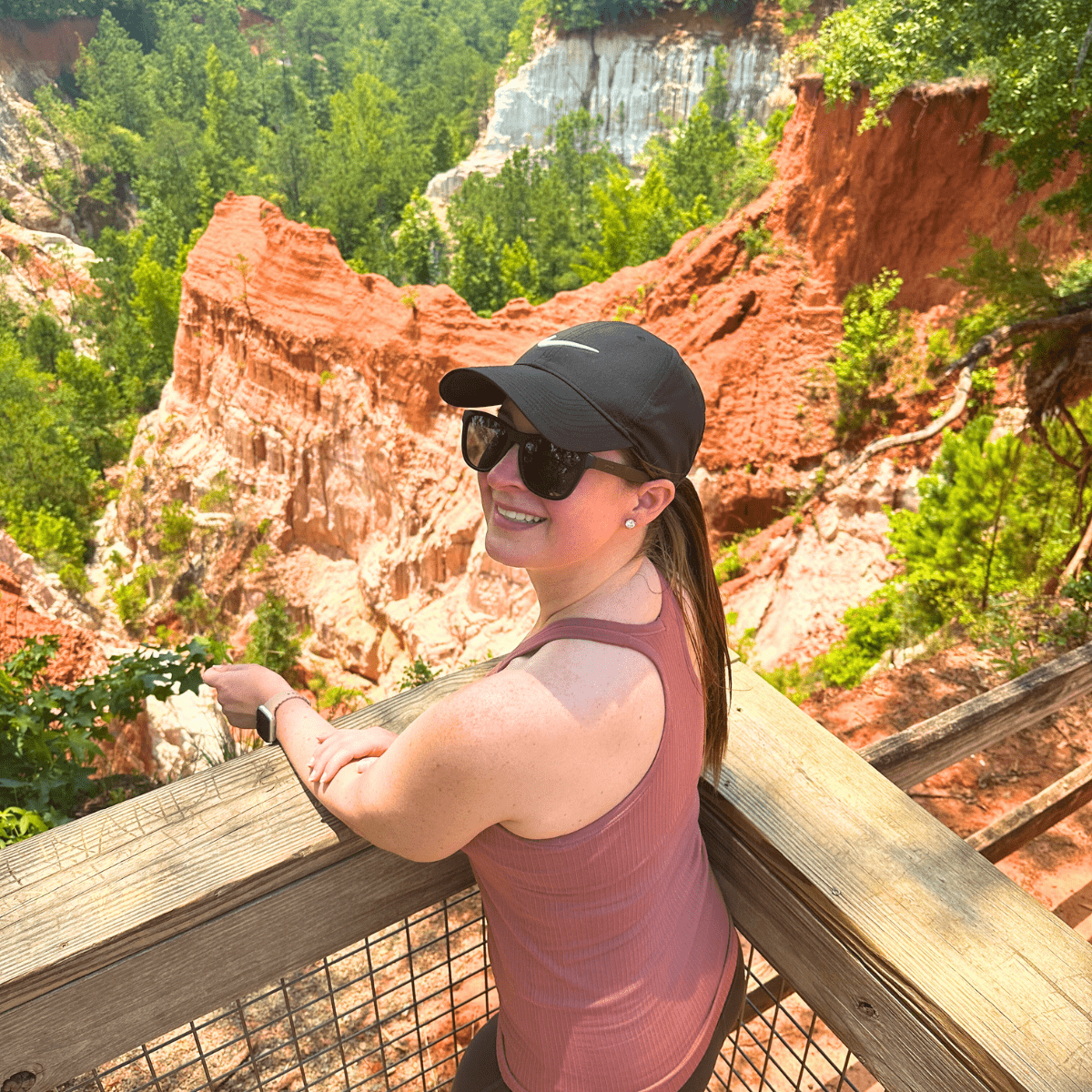
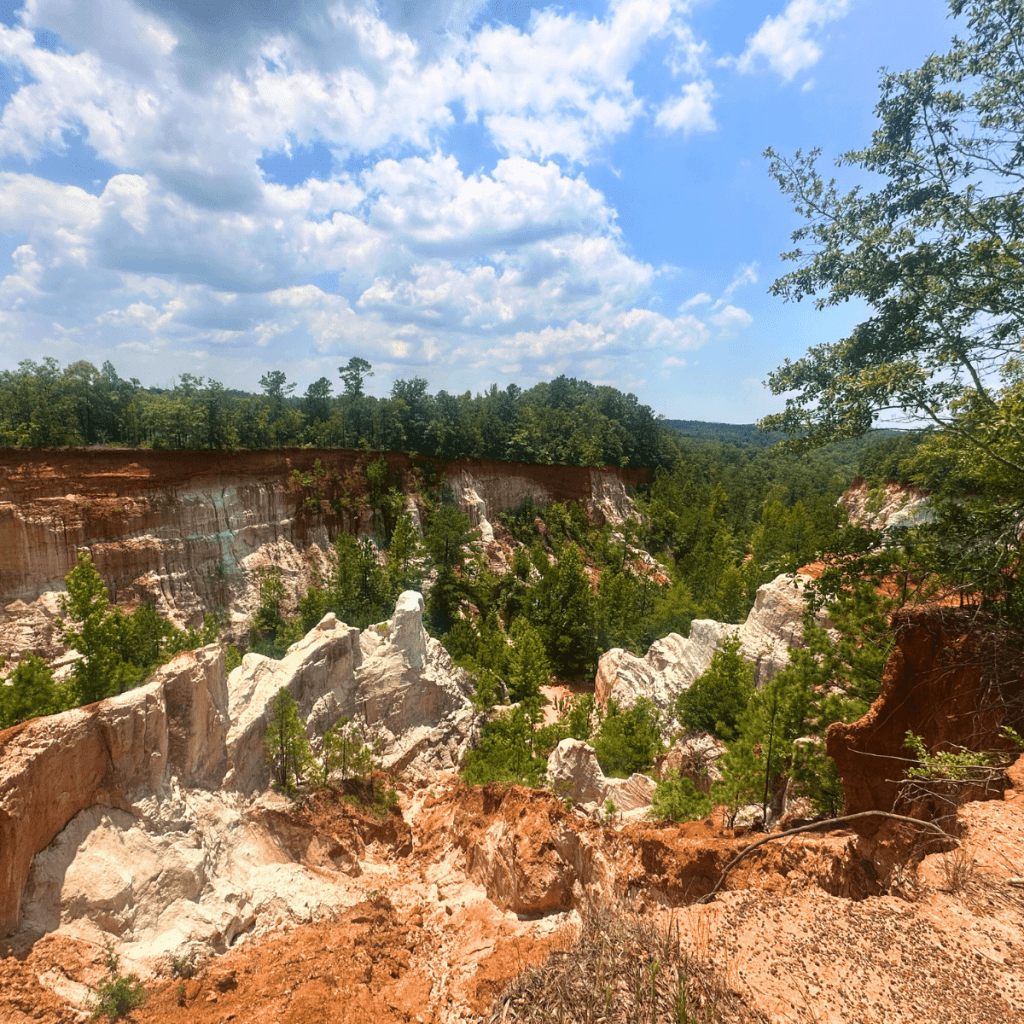
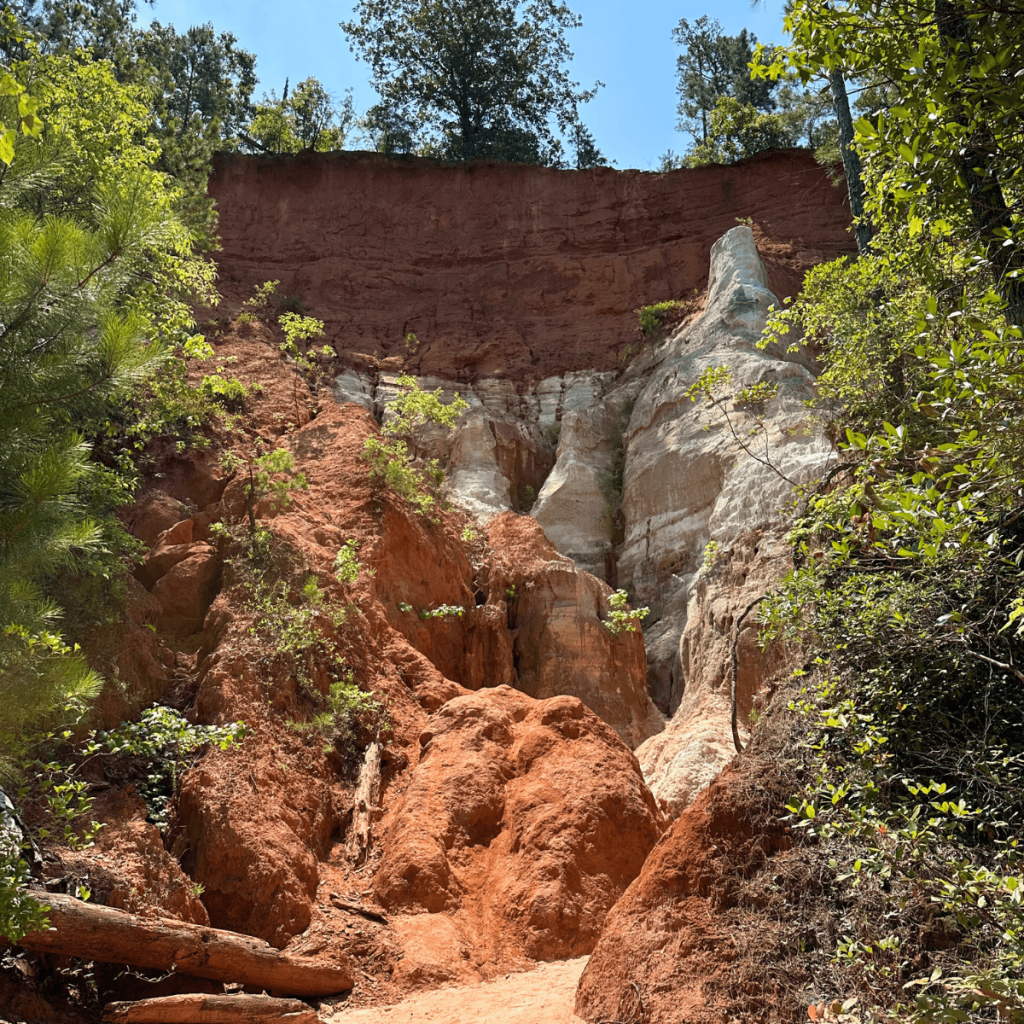
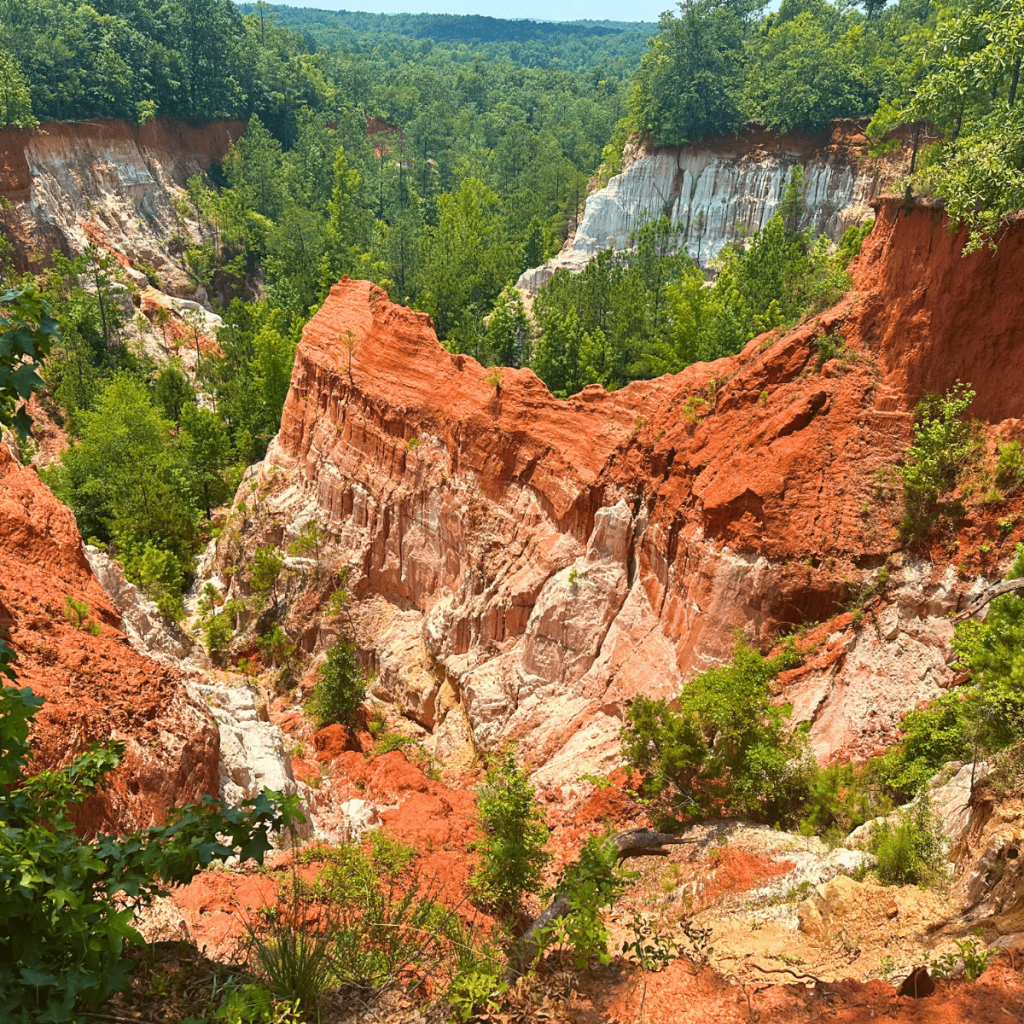
One of the most intriguing aspects of Providence Canyon State Park is how it came to be. Unlike the Grand Canyon, carved over millions of years by the mighty Colorado River, Providence Canyon’s story is a bit more recent—and human-made, for better or worse. Back in the 1800s, poor farming practices led to severe erosion, and over time, the once-flat land was transformed into the dramatic canyon landscape we see today. While it’s a humbling reminder of the impact we can have on the environment, the result is undeniably beautiful. The vibrant layers of red, orange, and pink soil, contrasting with lush greenery, make for some seriously Instagram-worthy views.
About Providence Canyon State Park
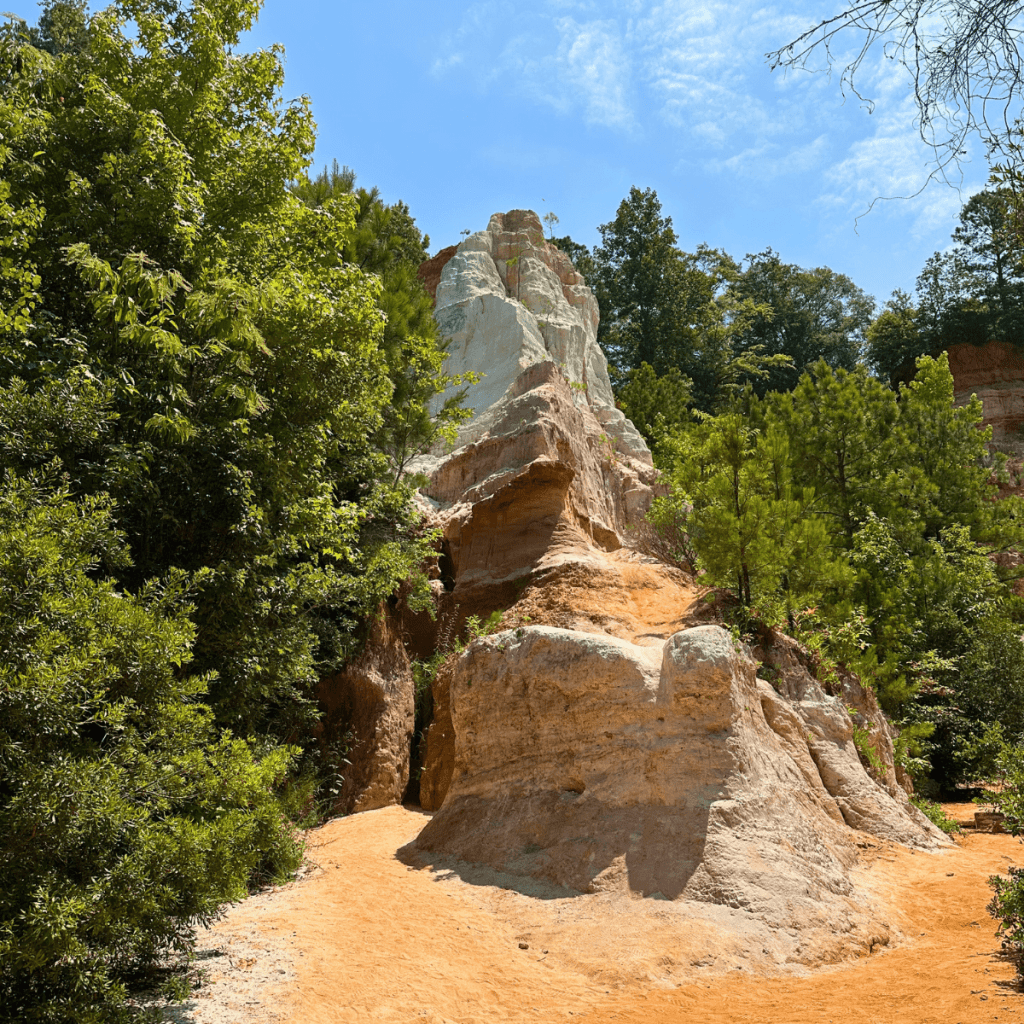
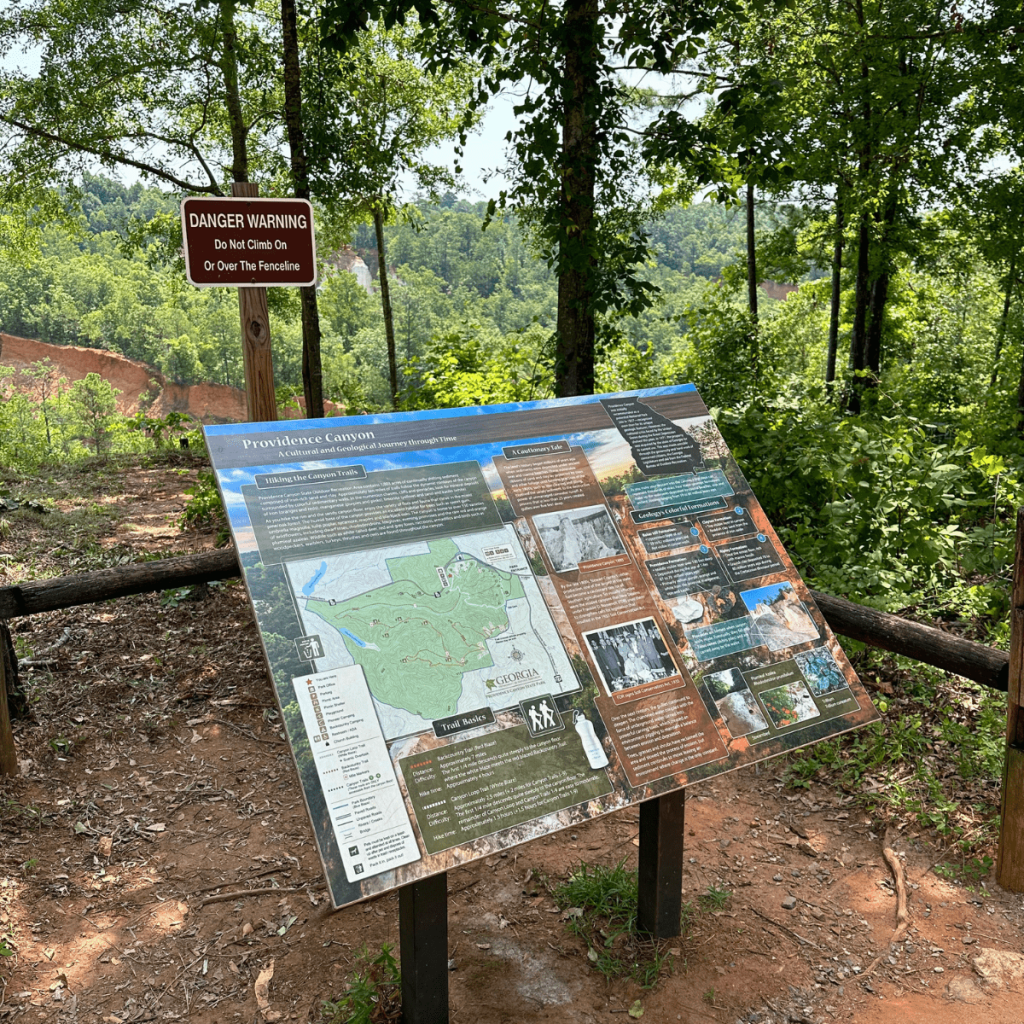
The park covers over 2,000 acres and is home to 16 canyons, some of which are over 150 feet deep. The dramatic erosion patterns, combined with the colorful soil layers, make it one of the most unique geological sites in the Southeast.
How to Get to Providence Canyon State Park
Providence Canyon State Park is located in Lumpkin, Georgia, a small town in the southwestern part of the state. The park is easily accessible by car and makes for a great day trip or weekend getaway from several nearby cities.
8930 Canyon Road
Lumpkin, GA 31815
Stewart County
From Tallahassee, FL:
If you’re coming from Tallahassee, Providence Canyon State Park is about a 2.5 hour drive north. Start by heading north on US-27 North. You’ll continue on US-27 for about 90 miles, passing through small towns and scenic rural areas. Once you reach Lumpkin, you’ll see signs for the park. Turn left onto GA-39C, and the park entrance will be just a short drive ahead.
From Atlanta, GA:
For those traveling from Atlanta, the drive to Providence Canyon State Park is around 2 hours. Take I-85 South out of Atlanta, then merge onto I-185 South toward Columbus. After about 40 miles, take exit 30 for US-27 South toward Lumpkin. You’ll continue on US-27 South for approximately 60 miles, passing through several small towns before reaching Lumpkin. Once in Lumpkin, follow the signs to the park by turning right onto GA-39C.
From Columbus, GA:
Columbus is the closest major city to Providence Canyon State Park, and the drive takes about 45 minutes. Head south on US-27 for about 35 miles, and you’ll reach Lumpkin. From there, follow the signs to the park entrance.
Parking and Entrance Fees
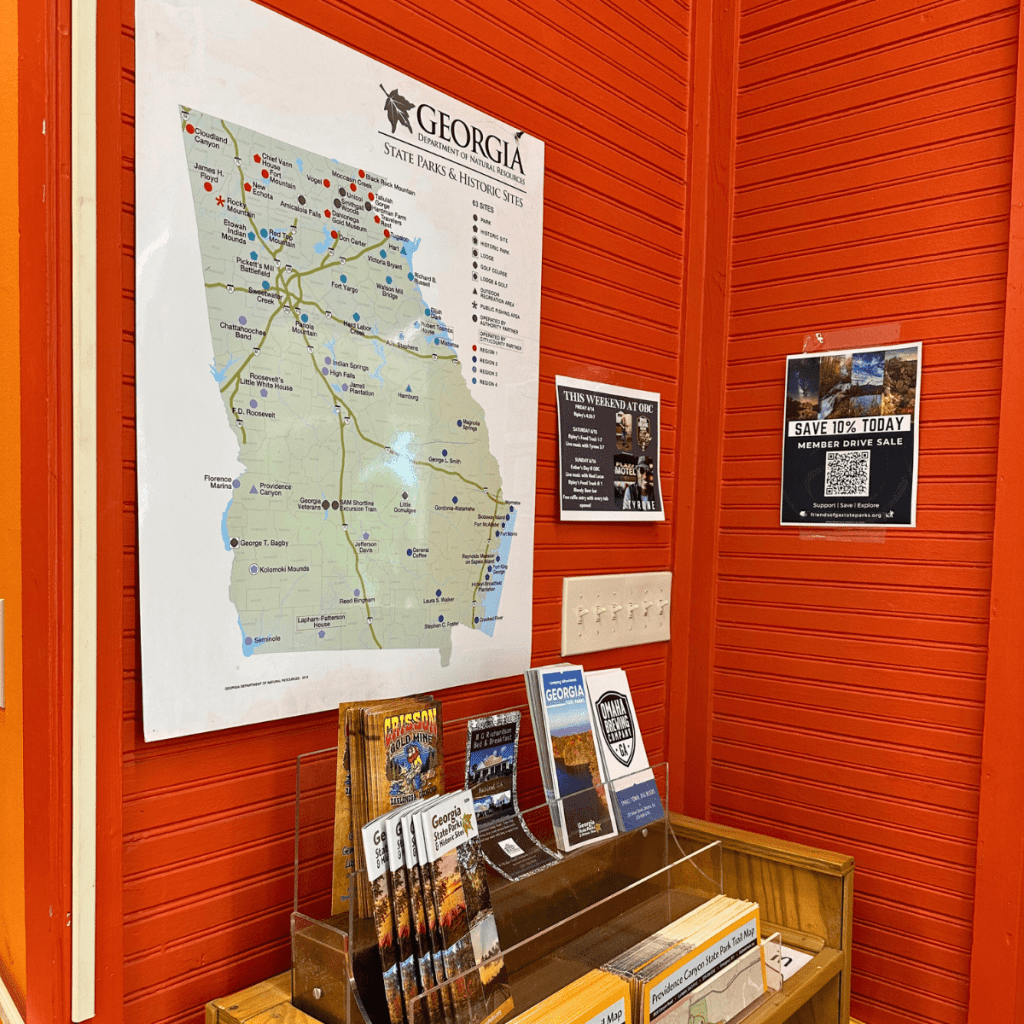
Once you arrive at Providence Canyon State Park, you’ll find ample parking near the visitor center. There is a small entrance fee to access the park, currently $5 per vehicle, so be sure to bring some cash or a credit card. The visitor center is a great place to start your visit, with maps, information about the park’s history, and restrooms.
Hiking Providence Canyon State Park
When you arrive at Providence Canyon State Park, one of the first things you’ll notice is how accessible it is for visitors of all skill levels. The park has a variety of trails, ranging from easy, family-friendly walks to more challenging hikes that take you deep into the heart of the canyons. Whether you’re a seasoned hiker or just looking for a leisurely stroll, there’s something for everyone.
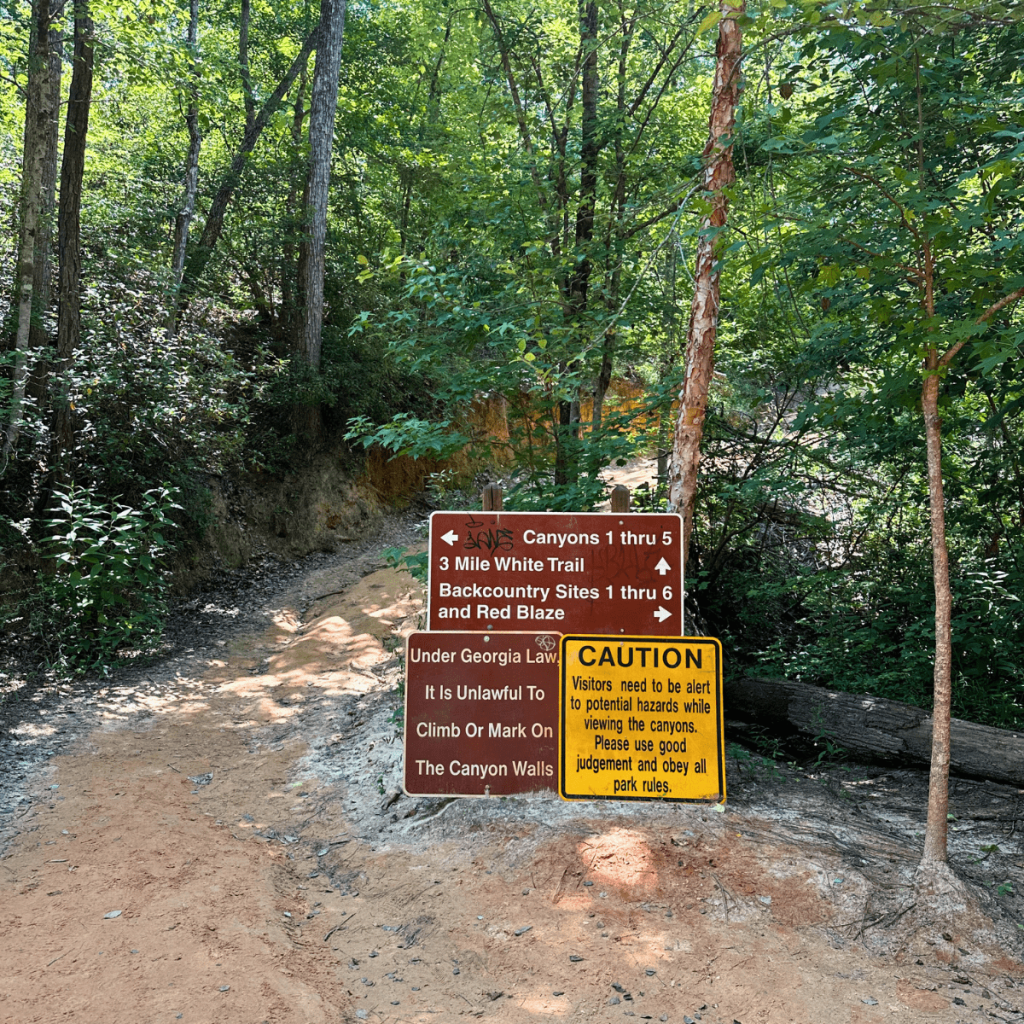
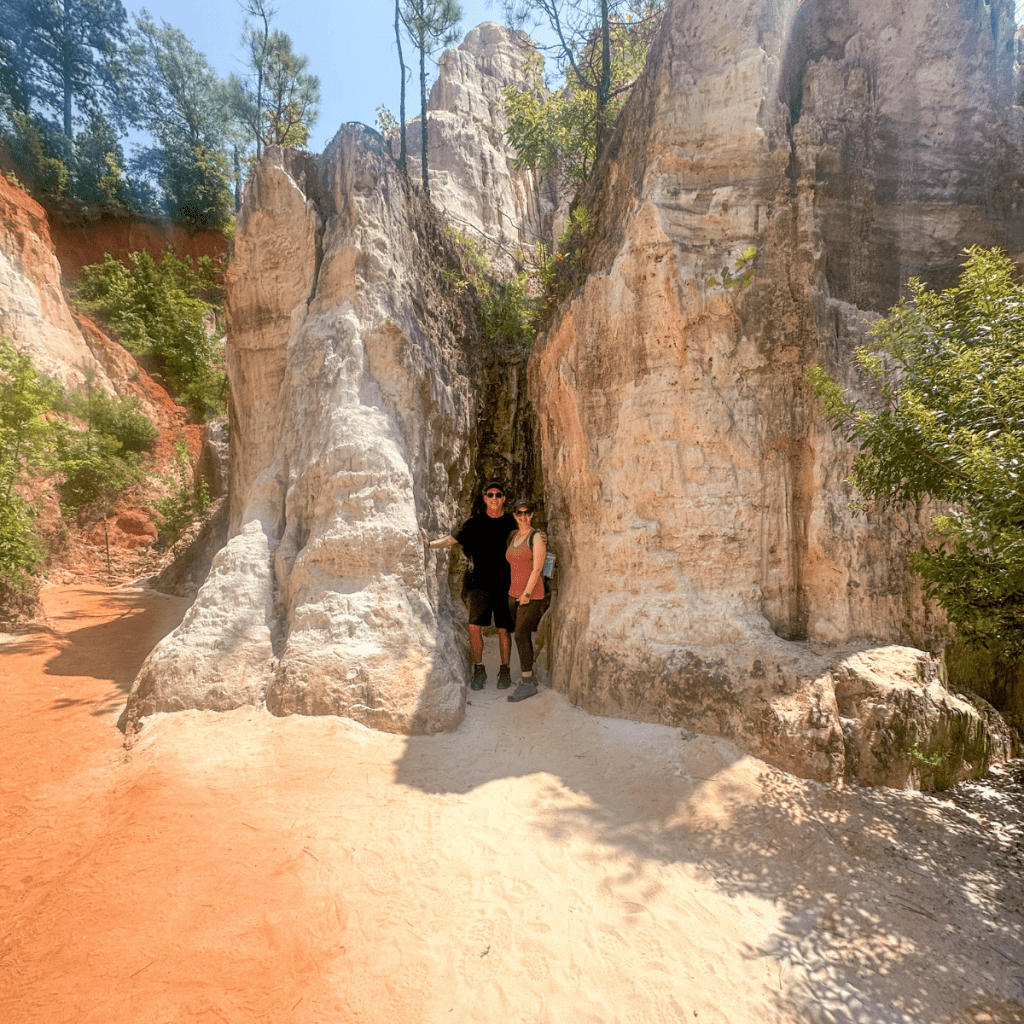
The most popular trail is the Canyon Loop Trail, a 2.5-mile trek that offers a little bit of everything. You’ll start by descending into the canyon, where you can walk along the dry creek bed, surrounded by towering canyon walls. It’s here that you’ll really appreciate the scale of Providence Canyon State Park—those walls are much taller than they look from the top! As you make your way around the loop, you’ll come across unique rock formations, trickling streams, and even a few remnants of old cars left behind by previous generations.
If you’re up for a bit more of a challenge, the Backcountry Trail is a must. This 7-mile trail takes you through some of the park’s more remote areas, where you can truly immerse yourself in nature. It’s a bit more rugged, with some steep climbs and rough terrain, but the payoff is worth it. The views from the top are breathtaking, and you’re likely to have them all to yourself.
Picnicking and Camping at Providence Canyon State Park
After a day of exploring, there’s nothing better than settling down for a picnic in one of the park’s many designated areas. The picnic spots at Providence Canyon State Park are well-maintained and offer beautiful views of the canyons. Whether you’re packing a full spread or just some snacks, it’s the perfect way to relax and soak in the surroundings.
For those who want to extend their stay, Providence Canyon State Park offers a few options for overnight camping. The park’s backcountry campsites are ideal for those who love a bit of adventure and don’t mind roughing it. These primitive sites are scattered along the Backcountry Trail, providing a secluded experience where you can truly connect with nature. Just remember to pack out what you pack in—leave no trace!
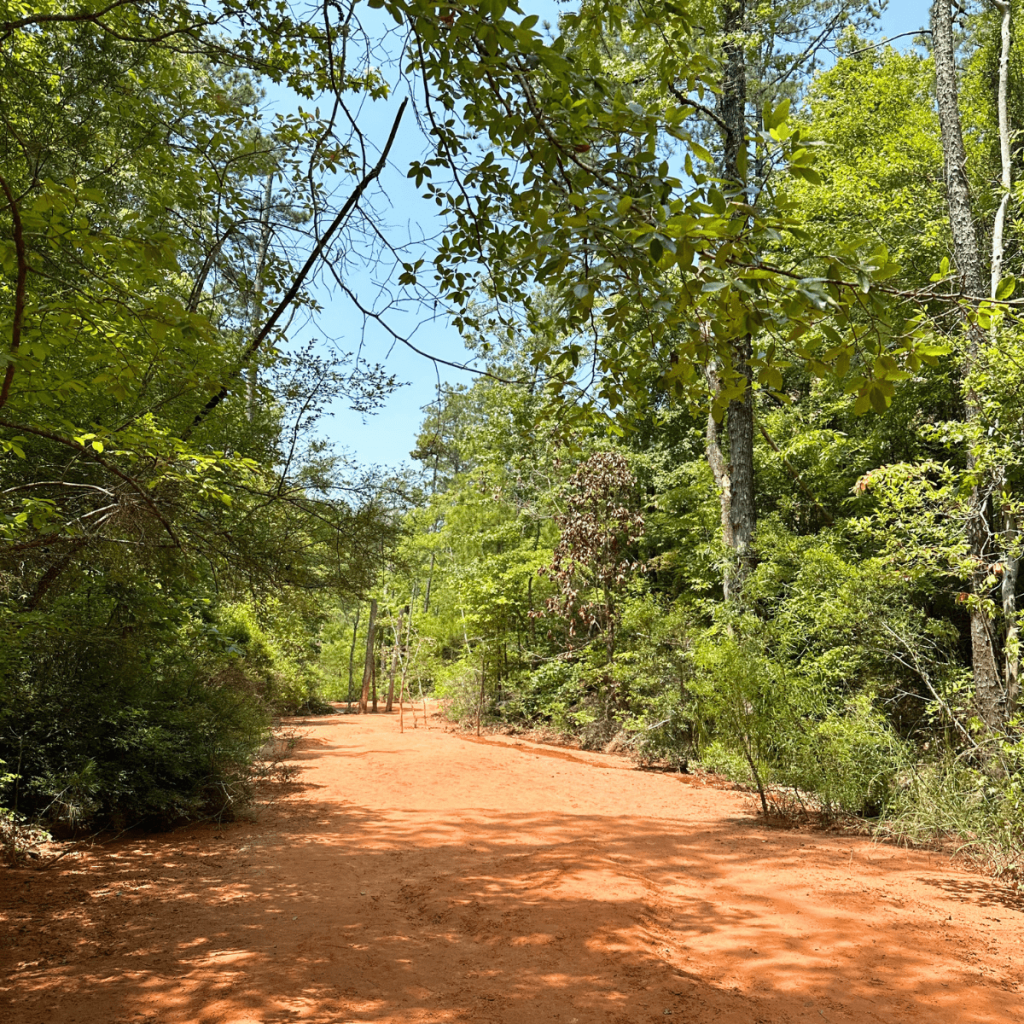
Planning Your Visit to Providence Canyon
Providence Canyon State Park is a year-round destination, but the best time to visit depends on what you’re hoping to experience. Spring and fall are ideal for hiking, with cooler temperatures and vibrant foliage adding to the park’s beauty. Summer can be very hot, but still beautiful views. If you visit in the winter, you’ll find the park much quieter, and the stark beauty of the canyon is even more pronounced.
Before you head out, make sure to check the weather and trail conditions. The canyon floor can be muddy, especially after rain, so wear appropriate footwear. And don’t forget to bring plenty of water, sunscreen, and a hat—there’s not much shade down in the canyons!
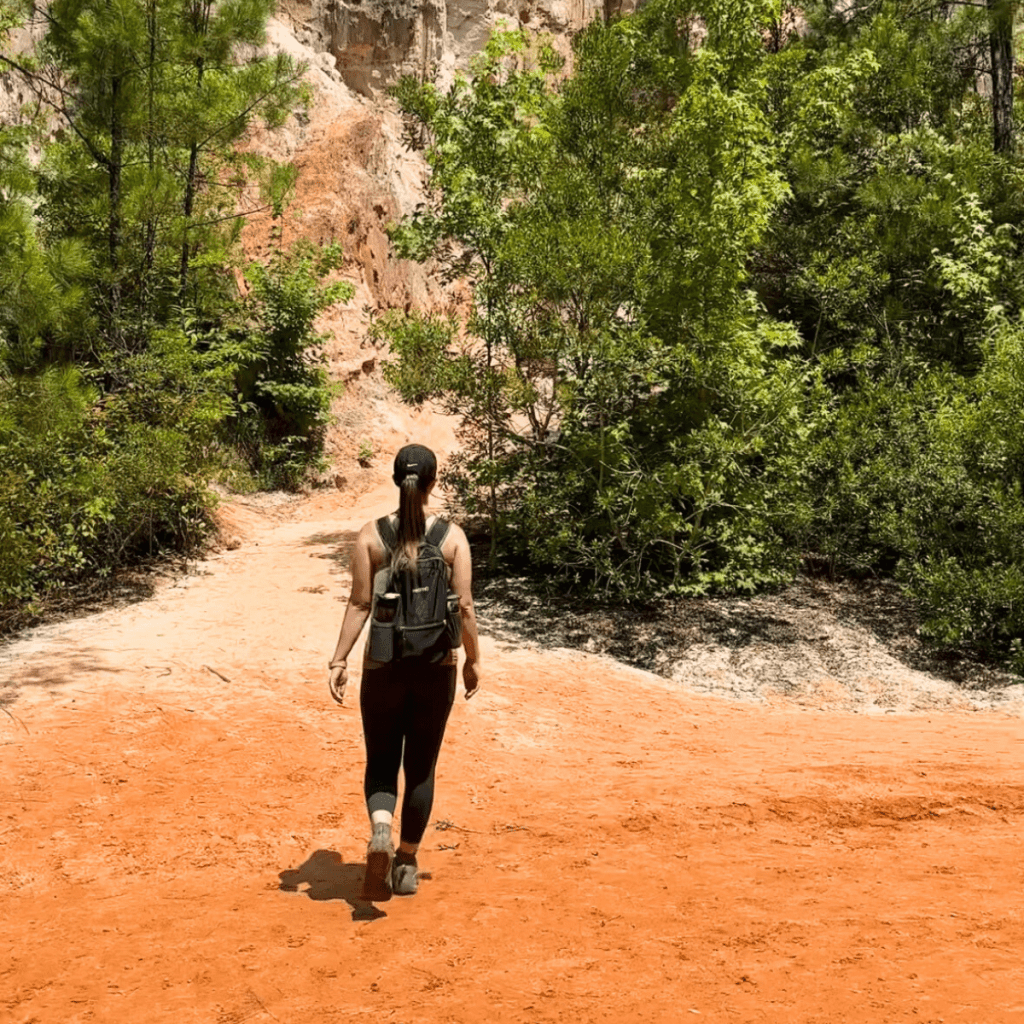
What to Pack for a Day at Providence Canyon State Park
A day at Providence Canyon State Park can be an unforgettable adventure, but it’s important to come prepared. Here’s a quick list of essentials to ensure you have a safe and enjoyable visit:
- Reusable Water Bottle: It can get hot, especially in the summer, so bring a reusable water bottle or hydration pack and drink plenty of water to stay hydrated. There are no water sources once you’re on the trails, so fill up ahead of time. It’s better to bring more water than you think you’ll need.
- Snacks: Whether you’re hiking the Canyon Loop or tackling the Backcountry Trail, pack some snacks to keep your energy levels up. Granola bars, fruit, and trail mix are all great options.
- Sturdy Shoes: The trails can be muddy and uneven, so wear comfortable, sturdy shoes with good traction. Hiking boots are ideal, but athletic shoes will work in a pinch.
- Sunscreen and Hat: There’s not a lot of shade down in the canyons, so protect yourself from the sun with a good SPF and a wide-brimmed hat. Sunglasses are a good idea too!
- Insect Repellent: Especially in the warmer months, the bugs can be relentless. A good insect repellent will help keep the mosquitoes at bay.
- Camera or Smartphone: The views at Providence Canyon State Park are absolutely breathtaking, so don’t forget to bring something to capture the memories.
- Trash Bags: The park operates on a “leave no trace” principle, so be sure to bring bags to carry out any trash if you’ll be on the trails for awhile or camping overnight. This helps keep the park beautiful for everyone to enjoy.
- Extra Pair of Shoes: Have an extra pair of shoes you can change into in your vehicle. The red clay will likely be all over the shoes you wear to hike the trails and you don’t want to get that in your car!
Tips for Visiting Providence Canyon
To make the most of your visit to Providence Canyon State Park, here are a few tips that will help you have a smooth and enjoyable experience:
- Check the Weather: The trails at Providence Canyon can get very muddy, especially after rain, so it’s a good idea to check the weather before you go. If it’s been particularly wet, consider bringing an extra pair of socks or waterproof footwear.
- Start Early: The park can get busy, especially on weekends. Arriving early not only helps you beat the crowds but also gives you cooler temperatures for hiking.
- Plan Your Route: If you’re short on time or just want to see the highlights, the Canyon Loop Trail is your best bet. For a more immersive experience, plan to spend the whole day exploring the different trails.
- Stay on Marked Trails: The canyon walls are fragile, and erosion is still an ongoing issue. To help preserve the park, always stay on marked trails and avoid climbing the canyon walls.
Best Times to Visit Providence Canyon State Park
Providence Canyon State Park is a year-round destination, but the best time to visit depends on what you’re looking for:
- Spring: The temperatures are mild, and the wildflowers are in bloom, making it a great time for hiking and photography.
- Summer: While it can get hot, this is the best time to see the Plumleaf Azalea in full bloom. Just be sure to bring plenty of water and sun protection.
- Fall: The cooler temperatures and changing leaves make fall an ideal time for hiking. The park is also less crowded than in summer.
- Winter: If you prefer solitude, winter is the time to visit. The park is quiet, and the stark beauty of the canyon is even more pronounced.
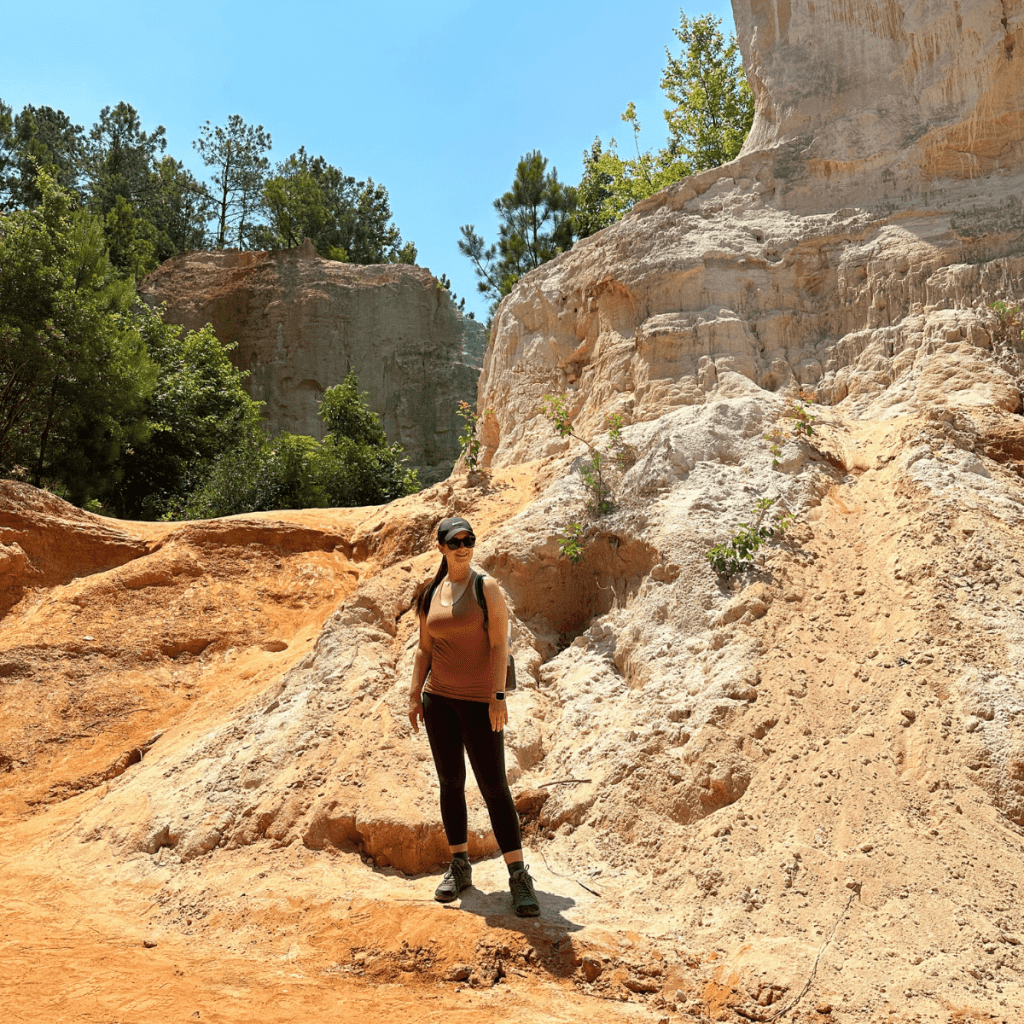
Providence Canyon State Park might not have the fame of some of Georgia’s other attractions, but that’s part of its charm. It’s a place where you can wander through stunning landscapes with fewer crowds and where you can hike, picnic, and camp surrounded by nature’s beauty. While you’re taking in the canyon views, you’ll understand why this hidden gem is one of Georgia’s best-kept secrets.

